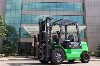
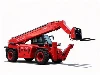
Winter temperatures are low, and in cold regions, ice and snow cover the ground. Such environments affect forklift power and braking performance, and may also cause problems such as sluggish hydraulic system response and reduced battery life. Whether operating indoors or outdoors, proper winter forklift operation procedures and targeted maintenance are essential to ensure operational safety, improve work efficiency, and extend equipment life.


I. Winter Forklift Operation Precautions
- Before Operation: Thorough Preheating and Comprehensive Inspection
Low temperatures can make starting internal combustion forklifts difficult. After starting, allow them to idle for 5-10 minutes until the water and oil temperatures reach normal range before applying load. Do not operate a cold engine under high load, as this may damage components.
Critical components must be carefully inspected. Check the braking system for ice buildup, and ensure there is no snow or frost on the brake discs and pads. Test braking sensitivity. Check tire pressure and wear. On icy roads, replace tires with snow tires or install snow chains to enhance traction. Also, ensure the hydraulic system is leak-free and that the operating levers are flexible and do not jam.
- Before operating an electric forklift, check the battery status. Low temperatures reduce battery capacity and affect range. Ensure the battery is fully charged before operation to avoid impacting the next day's work. For lead-acid batteries, check the electrolyte level to avoid a sudden drop in range due to insufficient electrolyte. After charging, do not operate immediately; allow the battery to stand for 10 minutes to allow the temperature to stabilize.
- During operation: Operate according to regulations and avoid risks. Pay attention to safety while driving, whether indoors or outdoors. Slow down in advance when turning or changing lanes, avoid sharp turns and sudden braking to prevent vehicle skidding or cargo tipping. Maintain a safe distance of twice the usual distance from other equipment and personnel, and allow sufficient braking distance.
- Load handling
In winter, the hydraulic system response is slower. Lifting, lowering, and tilting loads should be done smoothly and slowly, avoiding sudden lifting or lowering. When moving goods from high places or lightweight goods, reduce the lifting height and secure the goods with ropes if necessary to prevent them from slipping due to wind or road bumps.
Operators should wear warm and flexible protective gear, avoiding overly heavy clothing to prevent sluggish operation; wear non-slip gloves to prevent slipping when gripping the operating handles; outdoor work time should not be too long, with regular rotation and rest to avoid frostbite.
- After operation: Proper parking and timely cleaning. Choose a dry, well-ventilated indoor location for parking to avoid outdoor exposure that could cause the equipment to freeze; if indoor parking is not possible, cover the vehicle body with a waterproof and dustproof cover, paying special attention to protecting core components such as the battery and engine to prevent snow from seeping in and causing corrosion.
Remember to promptly remove snow and frost from the vehicle body, forks, and tires; wipe dry the hydraulic oil lines and braking system surfaces to prevent freezing and affecting future use; for internal combustion forklifts, the fuel tank valve must be closed, and for electric forklifts, the main power switch must be disconnected.
II. Winter-Specific Forklift Maintenance Points.
For internal combustion forklifts, replace the antifreeze, diesel fuel (with anti-gelling agents if necessary), winter-grade engine oil, and low-viscosity hydraulic oil according to the equipment indicator or manual.
The charging environment for electric forklifts must be maintained at a certain temperature. Lead-acid batteries should be topped with distilled water, and lithium batteries should be stored without being fully discharged. Regularly clean brake rust, check hydraulic hose seals, and tighten wiring to reduce low-temperature malfunctions.
Safe and efficient forklift operation in winter relies on "standardized operation" and "precise maintenance." Proper winter-specific measures can avoid low-temperature malfunctions and safety risks, keep equipment in optimal condition, and ensure smooth logistics.