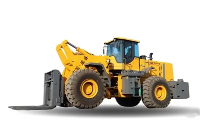
The 10-ton internal combustion forklift, with its excellent endurance and environmental adaptability, has always been the mainstay of material handling in high-intensity working conditions such as stone quarries and port terminals. Whether you're an experienced driver or equipment manager, understanding the characteristics of the equipment's components and seasonal maintenance details is crucial for maintaining excellent operational performance.


I. Why is the "Air Filter" the Lung of the Internal Combustion Engine?
Long-term operation both outdoors and indoors inevitably involves dust and other impurities. The quality of the air filter determines the engine's lifespan and fuel consumption, and cannot be taken lightly.
Multi-stage filtration is more reliable: High-quality fuel-powered forklifts are usually equipped with heavy-duty air filter systems that intercept fine dust layer by layer, preventing dirt from entering the engine.
Seasonal maintenance is also essential: On dry and windy days, there will be more dust. If the workload is heavy, the frequency of cleaning the air filter should be increased to prevent the engine from "running out of steam." I. Regularly check the air filter seals for aging to prevent unfiltered air from directly entering the cylinders and causing cylinder scoring.
II. Open Cab: Not rudimentary, but practical and easy to drive.
All-around working view: When handling large loads, the open design provides the operator with a clear view without blind spots, allowing them to see every detail and facilitating precise positioning.
Operational safety: The robust overhead guard effectively protects against falling objects, while the open space allows the operator to quickly evacuate or observe obstacles behind in extreme emergencies.
III. Lubrication and Chassis
The vertical lifting of a 10-ton load places immense pressure on the mast and hydraulic system. Proper lubrication is crucial to reduce wear and prevent jamming. Regularly lubricate the mast and rollers to reduce friction during heavy lifting, ensuring smoother operation. Regularly check the sealing and oil quality of the hydraulic system's tilting cylinders to prevent impurities from entering the hydraulic circuit, causing slowdowns and affecting operations.
In fact, such equipment is not that delicate. Just spending a few extra minutes checking it regularly and maintaining it seasonally can effectively extend its lifespan.