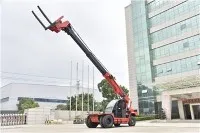
As summer approaches, temperatures rise rapidly, significantly increasing the workload on forklifts in high-temperature environments. For factories, warehouses, building material yards, and ports, summer is a peak season for equipment failures. Prolonged high-load operation without inspection and maintenance not only affects work efficiency but can also increase downtime and repair costs.
Many users find that the same forklift is prone to problems such as overheating, insufficient power, hydraulic system overheating, and even accelerated tire wear in summer. So, what exactly are the effects of high temperatures on forklifts? And how should they be maintained? Let's discuss this today.
1. Engine and Cooling System Most Prone to Heatstroke and Breakdown
In hot weather, forklifts need to continuously face high temperatures and long operating hours. Especially for diesel forklifts, the internal engine temperature rises rapidly when loading and unloading heavy loads or working continuously. If the radiator is dusty or the coolant is insufficient, problems will immediately arise: water temperature alarms, insufficient vehicle power, and increased fuel consumption. Therefore, pay close attention to heat dissipation in summer. Clean the radiator frequently if operating at high frequency.
2. Hydraulic systems are more prone to performance degradation at high temperatures.
The hydraulic system is one of the core components of a forklift, responsible for critical actions such as lifting, steering, etc. High summer temperatures cause hydraulic oil temperature to rise and viscosity to decrease, resulting in slower fork lifting, unstable steering, and poorer work precision.
Especially for heavy-duty forklifts handling heavy loads, the hydraulic system operates under high load for extended periods. If the oil is severely aged, it can also accelerate seal wear. Before summer arrives, change the hydraulic fluid and check for leaks or damage in the lines.
3. Tire wear will increase significantly.
In summer, the ground is extremely hot, and equipment is constantly moving around, accelerating tire aging and wear, especially forklifts used on outdoor construction sites and rough terrain. Fluctuating tire pressure or frequent overloading can lead to cracking or even tire blowouts. In summer, check tires frequently for wear or cracks, avoid prolonged exposure to direct sunlight, and avoid overloading.
4. Why is summer maintenance increasingly important?
Proper routine maintenance of forklifts during the summer ensures stable operation, minimizes downtime, reduces repair costs, and effectively extends their lifespan. With increased construction and logistics demands in summer, forklift equipment typically enters a busier operating phase. While high temperatures are unavoidable, proper maintenance and daily checks can effectively reduce equipment failures and improve operational stability.
Whether it's a diesel forklift, an electric forklift, or a rough terrain forklift, good maintenance habits help the equipment maintain higher efficiency in summer and reduce unnecessary operating costs.