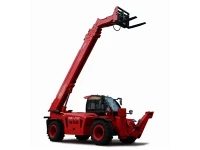
What is the maximum lifting capacity of a Diesel Wheel Loader?
As a supplier of diesel wheel loaders, I often get asked about the maximum lifting capacity of these powerful machines. The lifting capacity of a diesel wheel loader is a crucial factor that determines its efficiency and suitability for various tasks. In this blog post, I will delve into the concept of maximum lifting capacity, the factors that influence it, and how it varies across different models of diesel wheel loaders.


Understanding Maximum Lifting Capacity
The maximum lifting capacity of a diesel wheel loader refers to the maximum weight that the loader can safely lift and carry. This capacity is typically measured in tons or kilograms and is an important specification to consider when choosing a wheel loader for a particular job. It is determined by several factors, including the design of the loader, the strength of its components, and the stability of the machine.
Factors Influencing Maximum Lifting Capacity
- Loader Design: The design of the wheel loader plays a significant role in determining its lifting capacity. Loaders with a larger frame and stronger structural components are generally capable of lifting heavier loads. Additionally, the design of the lifting mechanism, such as the boom and bucket, can also affect the lifting capacity.
- Engine Power: The power of the diesel engine is another important factor. A more powerful engine can provide the necessary force to lift heavier loads. Engine power is typically measured in horsepower (HP) or kilowatts (kW), and loaders with higher engine power can generally handle larger loads.
- Hydraulic System: The hydraulic system of the wheel loader is responsible for operating the lifting mechanism. A well - designed and efficient hydraulic system can enhance the lifting capacity. The pressure and flow rate of the hydraulic fluid determine how much force can be applied to lift the load.
- Stability: The stability of the wheel loader is crucial for safe and efficient lifting. Loaders with a wider wheelbase and a lower center of gravity are more stable and can handle heavier loads without tipping over. Stability is also affected by the distribution of the load on the loader.
Variations in Maximum Lifting Capacity
The maximum lifting capacity of diesel wheel loaders can vary significantly depending on the model and its intended use. Here are some common types of wheel loaders and their typical lifting capacities:
Multifunctional Wheel Loader
Multifunctional wheel loaders are versatile machines that can be used for a variety of tasks, such as loading, unloading, and material handling. These loaders typically have a lifting capacity ranging from 1 to 5 tons. You can learn more about our Multifunctional Wheel Loader.
Railway Wheel Loader
Railway wheel loaders are specifically designed for use in railway yards and other railway - related applications. They are often required to lift heavy loads, such as railway sleepers and ballast. The lifting capacity of railway wheel loaders can range from 3 to 10 tons. Check out our Railway Wheel Loader for more details.
Mini Wheel Loader
Mini wheel loaders are compact and lightweight machines that are suitable for small - scale construction and landscaping projects. They have a relatively lower lifting capacity, usually ranging from 0.5 to 2 tons. If you are interested in a mini wheel loader, you can visit our Mini Wheel Loader page.
Importance of Choosing the Right Lifting Capacity
Selecting the right lifting capacity for your diesel wheel loader is essential for ensuring efficient and safe operation. If the lifting capacity is too low for the task at hand, the loader may struggle to lift the load, leading to decreased productivity and potential damage to the machine. On the other hand, if the lifting capacity is too high, you may end up paying for a more expensive loader than you actually need.
When choosing a wheel loader, it is important to consider the type of materials you will be handling, the size of the loads, and the frequency of lifting. For example, if you are working with large - scale construction projects and need to lift heavy building materials, a loader with a higher lifting capacity would be more suitable. However, if you are working on a small - scale landscaping project, a mini wheel loader with a lower lifting capacity may be sufficient.
Conclusion
The maximum lifting capacity of a diesel wheel loader is a critical factor that determines its performance and suitability for different tasks. By understanding the factors that influence lifting capacity and the variations across different models, you can make an informed decision when choosing a wheel loader for your project.
If you are in the market for a diesel wheel loader and need further assistance in selecting the right machine with the appropriate lifting capacity, please feel free to contact us. Our team of experts is ready to help you find the perfect wheel loader to meet your specific needs.
References
- Construction Equipment Handbook, various editions
- Manufacturer's specifications for diesel wheel loaders