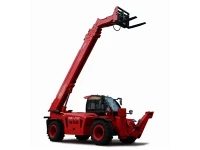
How often should I service a sand wheel loader? This is a question that many operators and owners of sand wheel loaders frequently ask. As a supplier of sand wheel loaders, I understand the importance of regular maintenance in ensuring the optimal performance and longevity of these machines. In this blog, I will delve into the factors that influence the service interval of a sand wheel loader and provide some guidelines on how often you should service your equipment.
Factors Affecting Service Intervals
Operating Conditions
The operating conditions of a sand wheel loader play a significant role in determining how often it needs to be serviced. If the loader is used in harsh environments, such as in construction sites with a lot of dust, gravel, and debris, or in mining operations where it is exposed to abrasive materials, it will require more frequent servicing. The dust and debris can clog the air filters, damage the engine components, and cause premature wear and tear of the hydraulic system. On the other hand, if the loader is used in relatively clean and mild conditions, such as in a warehouse or a landscaping project, the service interval can be extended.
Usage Frequency
The frequency of use also affects the service interval. A sand wheel loader that is used continuously for long hours every day will need more frequent servicing compared to one that is used only occasionally. Continuous use puts more stress on the engine, transmission, and other components, leading to faster wear and tear. Therefore, if the loader is used intensively, it is recommended to service it more often to prevent breakdowns and ensure reliable operation.
Manufacturer's Recommendations
The manufacturer of the sand wheel loader provides specific service intervals based on the design and specifications of the machine. These recommendations are usually outlined in the owner's manual and should be followed closely. The manufacturer takes into account various factors, such as the type of engine, the hydraulic system, and the expected operating conditions, when determining the service intervals. By following the manufacturer's recommendations, you can ensure that your sand wheel loader is properly maintained and that its warranty remains valid.
General Service Intervals
Daily Checks
Before each use, it is important to perform a series of daily checks on the sand wheel loader. These checks include inspecting the tires for proper inflation and wear, checking the fluid levels (such as engine oil, hydraulic fluid, and coolant), and looking for any signs of leaks or damage. Additionally, you should check the lights, horn, and other safety features to ensure they are working properly. Performing these daily checks can help identify potential problems early on and prevent them from escalating into major issues.


Weekly or Monthly Maintenance
In addition to the daily checks, the sand wheel loader should undergo weekly or monthly maintenance tasks. These tasks may include cleaning the air filters, lubricating the moving parts, and inspecting the brakes and steering system. Cleaning the air filters is crucial to prevent dust and debris from entering the engine and causing damage. Lubricating the moving parts helps reduce friction and wear, while inspecting the brakes and steering system ensures the safety of the operator and the machine.
Quarterly or Semi - Annual Service
Every quarter or semi - annually, a more comprehensive service should be carried out. This may involve changing the engine oil and filters, checking the hydraulic system for proper operation, and inspecting the transmission and drivetrain components. Changing the engine oil and filters at the recommended intervals helps keep the engine running smoothly and extends its lifespan. Checking the hydraulic system ensures that the loader can lift and move heavy loads efficiently, while inspecting the transmission and drivetrain components helps prevent costly breakdowns.
Annual Service
An annual service is a major maintenance event for the sand wheel loader. During the annual service, the entire machine is thoroughly inspected and serviced. This includes disassembling and inspecting the engine, transmission, and hydraulic system, as well as checking the electrical system and the structural integrity of the loader. The annual service is an opportunity to identify and address any potential problems before they cause significant damage to the machine.
Importance of Regular Servicing
Regular servicing of a sand wheel loader offers several benefits. Firstly, it helps maintain the performance and efficiency of the machine. A well - serviced loader will operate more smoothly, consume less fuel, and have a higher productivity rate. Secondly, regular servicing extends the lifespan of the loader. By replacing worn - out parts and addressing potential problems early on, you can prevent major breakdowns and costly repairs. Thirdly, regular servicing ensures the safety of the operator and the people around the loader. A properly maintained machine is less likely to malfunction and cause accidents.
Our Product Offerings
As a sand wheel loader supplier, we offer a wide range of high - quality loaders to meet the diverse needs of our customers. If you are looking for an affordable option, check out our Cheap Sand Wheel Loader. For more specialized applications, our Mill Wheel Loader is designed to handle heavy - duty tasks in industrial settings. And if you need a loader with unique features, our Container Rotating Loader Flip Forklift is the perfect choice.
Contact Us for Purchase and Consultation
If you are interested in purchasing a sand wheel loader or have any questions about servicing and maintenance, we encourage you to contact us. Our team of experts is ready to provide you with detailed information and assist you in making the right decision for your business. Whether you are a small - scale contractor or a large - scale industrial operation, we have the right solution for you.
References
- Manufacturer's Owner Manuals for Sand Wheel Loaders
- Industry Best Practices for Construction Equipment Maintenance
- Technical Publications on Hydraulic and Engine Systems in Wheel Loaders