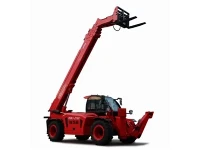
Operating a telescopic forklift requires specialized skills and knowledge due to its unique design and capabilities. As a telescopic forklift supplier, we understand the importance of providing comprehensive training programs to ensure the safety and efficiency of our customers' operations. In this blog post, we will explore the various training programs available for operating a telescopic forklift.
Classroom Training
The first phase of our training program typically consists of classroom instruction. This is where operators learn the theoretical aspects of telescopic forklift operation. Topics covered in the classroom include:
- Introduction to Telescopic Forklifts: Operators are introduced to the basic components of a telescopic forklift, such as the mast, boom, hydraulic system, and controls. Understanding these components is crucial for safe and effective operation.
- Safety Regulations: We emphasize the importance of following safety regulations and guidelines. This includes understanding the Occupational Safety and Health Administration (OSHA) standards for forklift operation, as well as any local or industry-specific regulations.
- Pre-Operational Checks: Operators learn how to perform pre-operational inspections of the telescopic forklift. This includes checking the tires, brakes, hydraulic fluid levels, and other critical components to ensure the forklift is in safe working condition.
- Load Capacity and Stability: One of the most important aspects of telescopic forklift operation is understanding load capacity and stability. Operators are taught how to calculate the load capacity based on the forklift's specifications, the position of the boom, and the weight of the load. They also learn how to maintain stability while lifting and moving loads to prevent tip-overs.
Practical Training
After completing the classroom training, operators move on to practical training on a real telescopic forklift. This hands-on experience allows them to apply the knowledge they have learned in the classroom. The practical training includes:
- Basic Controls: Operators learn how to operate the basic controls of the telescopic forklift, such as the steering wheel, pedals, and levers. They practice starting, stopping, turning, and maneuvering the forklift in a controlled environment.
- Lifting and Lowering Loads: The next step is to learn how to lift and lower loads safely. Operators practice attaching the forks or other lifting attachments to the load, raising and lowering the boom, and adjusting the tilt of the forks to ensure the load is stable.
- Extending and Retracting the Boom: Telescopic forklifts have a unique feature of being able to extend and retract the boom. Operators learn how to use the controls to extend and retract the boom smoothly and safely. They also practice positioning the load at different heights and distances using the boom.
- Maneuvering in Different Environments: Practical training also includes maneuvering the telescopic forklift in different environments, such as warehouses, construction sites, and outdoor areas. Operators learn how to navigate around obstacles, work in tight spaces, and adjust their driving techniques based on the terrain and conditions.
Advanced Training
For operators who need to perform more complex tasks or work in specialized industries, we offer advanced training programs. These programs are designed to enhance the operator's skills and knowledge in specific areas, such as:
- Specialized Attachments: Telescopic forklifts can be equipped with a variety of specialized attachments, such as Telescopic Material Handler, Stone Slab Loading Crane, and Cargo Stacker. Advanced training programs teach operators how to use these attachments safely and effectively.
- Rough Terrain Operation: Some telescopic forklifts are designed for use on rough terrain. Advanced training in rough terrain operation covers topics such as driving on slopes, uneven surfaces, and soft ground. Operators learn how to adjust the forklift's settings and driving techniques to ensure safe and efficient operation in these challenging environments.
- Load Management and Rigging: In industries where large or heavy loads need to be lifted and moved, operators require advanced skills in load management and rigging. This includes learning how to calculate the center of gravity of the load, use slings and chains correctly, and secure the load to prevent it from shifting during transport.
Certification and Recertification
Upon successful completion of the training program, operators are eligible to receive a certification that demonstrates their competence in operating a telescopic forklift. This certification is recognized by employers and regulatory authorities as proof of the operator's skills and knowledge.
In addition, we recommend that operators undergo regular recertification training to stay up-to-date with the latest safety regulations, technology, and best practices. Recertification training typically involves a review of the basic and advanced training material, as well as a practical assessment to ensure the operator's skills are still proficient.
Importance of Training
Investing in proper training for telescopic forklift operators is essential for several reasons:
- Safety: The primary goal of training is to ensure the safety of the operator, other workers, and the surrounding environment. Well-trained operators are less likely to cause accidents and injuries, which can result in costly downtime, medical expenses, and legal liabilities.
- Efficiency: Trained operators are more efficient and productive in their work. They know how to operate the telescopic forklift correctly, which can reduce the time and effort required to complete tasks. This can lead to increased productivity and profitability for your business.
- Equipment Longevity: Proper operation and maintenance of the telescopic forklift can extend its lifespan and reduce the need for costly repairs. Trained operators are more likely to follow the manufacturer's guidelines for operation and maintenance, which can help keep the forklift in good working condition.
Contact Us for Training and Purchase
If you are interested in our telescopic forklift training programs or would like to purchase a telescopic forklift for your business, please contact us. Our team of experts is available to answer your questions, provide more information about our products and services, and assist you in choosing the right telescopic forklift and training program for your needs.


References
- Occupational Safety and Health Administration (OSHA). Forklift Operator Training. Retrieved from [OSHA website]
- Manufacturer's Manuals for Telescopic Forklifts.