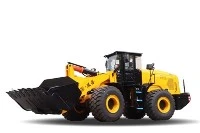
Selecting the right racing telehandler is a critical decision that can significantly impact the efficiency and productivity of your operations. As a trusted racing telehandler supplier, we understand the importance of making an informed choice. In this blog, we'll guide you through the key factors to consider when choosing a racing telehandler that meets your specific needs.
Understanding Your Requirements
Before diving into the selection process, it's essential to have a clear understanding of your requirements. Consider the following aspects:
Application
What tasks will the telehandler be used for? Is it for loading and unloading materials at a construction site, handling pallets in a warehouse, or performing aerial work? Different applications may require different features and capabilities. For example, if you need to work on rough terrain, a Rough Terrain Telehandler would be a suitable choice.
Load Capacity
Determine the maximum weight you need to lift. This will help you narrow down your options and ensure that the telehandler can handle your workload. Make sure to consider not only the weight of the load but also any additional equipment or attachments that may be used.
Lift Height
How high do you need to lift the load? The lift height is an important factor, especially if you're working in a multi - story building or need to reach elevated areas. Some telehandlers offer greater lift heights than others, so choose one that meets your specific height requirements.
Reach
The reach of the telehandler refers to the horizontal distance it can extend. If you need to place loads at a distance from the machine, a telehandler with a longer reach will be necessary. Consider the layout of your work area and the distances you need to cover.
Evaluating Telehandler Features
Once you have a clear understanding of your requirements, it's time to evaluate the features of different telehandlers. Here are some key features to look for:
Boom Design
The boom design can have a significant impact on the performance of the telehandler. There are different types of booms, such as single - stage and multi - stage booms. Multi - stage booms offer greater flexibility and can reach higher and farther, but they may also be more complex and require more maintenance.
Attachments
Telehandlers can be equipped with a variety of attachments, such as forks, buckets, and work platforms. Consider the types of attachments you'll need for your specific tasks and make sure the telehandler is compatible with them. Having the right attachments can greatly enhance the versatility of the machine.
Maneuverability
In many work environments, maneuverability is crucial. Look for a telehandler with a tight turning radius and good visibility. Some telehandlers also offer features like four - wheel steering, which can improve maneuverability in tight spaces.
Engine Power
The engine power of the telehandler determines its performance and ability to handle heavy loads. Choose an engine with sufficient power for your needs, but also consider fuel efficiency to keep operating costs down.
Operator Comfort
Since the operator will be spending a significant amount of time in the cab, operator comfort is important. Look for a telehandler with a comfortable seat, good visibility, and easy - to - use controls. A comfortable operator is more likely to be productive and less prone to fatigue.
Considering Safety Features
Safety should always be a top priority when choosing a racing telehandler. Here are some important safety features to look for:
Load Moment Indicators
Load moment indicators are devices that monitor the load and the position of the boom to prevent overloading. They provide visual and audible warnings to the operator if the load exceeds the safe working limits.
Stability Systems
Stability systems help to ensure the stability of the telehandler during operation. These systems can include features like outriggers, which provide additional support and prevent the machine from tipping over.


Roll - Over Protection Structures (ROPS) and Falling Object Protection Structures (FOPS)
ROPS and FOPS are designed to protect the operator in the event of a roll - over or falling objects. Make sure the telehandler is equipped with these structures to provide a safe working environment.
Visibility
Good visibility is essential for safe operation. Look for a telehandler with large windows and a clear line of sight to the work area. Some telehandlers also offer cameras and sensors to improve visibility.
Comparing Models and Brands
Once you have identified your requirements and evaluated the features and safety aspects, it's time to compare different models and brands. Consider the following factors:
Reputation
Research the reputation of the manufacturer. Look for brands that have a history of producing high - quality, reliable telehandlers. Read customer reviews and testimonials to get an idea of the experiences of other users.
Warranty and Support
A good warranty and support system are important. Make sure the manufacturer offers a comprehensive warranty and has a network of service centers to provide timely maintenance and repair services.
Price
Price is an important consideration, but it shouldn't be the only factor. Compare the prices of different models, but also consider the features, quality, and long - term costs. A more expensive telehandler may offer better performance and reliability in the long run.
Making the Right Choice
After careful consideration of all the factors above, you should be able to make an informed decision. Choose a racing telehandler that meets your specific needs, offers the features and safety you require, and fits within your budget.
If you're still unsure which telehandler is right for you, our team of experts is here to help. We have extensive experience in the industry and can provide you with personalized advice based on your requirements. Whether you need a Wharf Small Telehandler for a small - scale operation or a 2021 Aerial Work Vehicle Reach Boom Telehandler USA for aerial work, we can assist you in finding the perfect solution.
We invite you to contact us to discuss your needs further. Our team will be happy to provide you with detailed information, answer your questions, and arrange a demonstration if needed. By choosing the right racing telehandler, you can enhance the efficiency and productivity of your operations and ensure a smooth and successful workflow.
References
- Construction Equipment Guide: A valuable resource for information on construction equipment, including telehandlers.
- Equipment World: Offers in - depth reviews and industry news related to heavy equipment, including telehandlers.
- Manufacturer's brochures and product specifications: These provide detailed information about the features and capabilities of specific telehandler models.