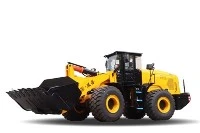
What is the hydraulic system of a wheel loader for?
As a supplier of wheel loaders, I've witnessed firsthand the crucial role that the hydraulic system plays in these powerful machines. Wheel loaders are versatile workhorses used in construction, mining, agriculture, and various other industries. Their hydraulic systems are the heart and soul of their operation, enabling them to perform a wide range of tasks efficiently and effectively.
The Basics of a Hydraulic System in Wheel Loaders
At its core, a hydraulic system in a wheel loader uses fluid power to transmit force and motion. It consists of several key components, including a hydraulic pump, hydraulic cylinders, hydraulic hoses, valves, and hydraulic fluid. The hydraulic pump is responsible for converting mechanical power from the engine into hydraulic power by creating pressure in the hydraulic fluid. This pressurized fluid is then directed through the hydraulic hoses to the hydraulic cylinders.
The hydraulic cylinders are where the magic happens. They are essentially devices that convert the hydraulic energy into mechanical force and motion. When the pressurized fluid enters a hydraulic cylinder, it pushes against a piston, causing it to move. This linear motion of the piston is then used to perform various tasks, such as lifting the loader bucket, tilting it forward or backward, and steering the wheels.
The valves in the hydraulic system act as control devices. They regulate the flow and pressure of the hydraulic fluid, allowing the operator to precisely control the movement of the loader bucket and other components. For example, the operator can use a control lever to open or close a valve, which in turn determines whether the hydraulic fluid flows into a particular hydraulic cylinder or not.
Functions of the Hydraulic System in a Wheel Loader
1. Lifting and Lowering the Loader Bucket
One of the primary functions of the hydraulic system in a wheel loader is to lift and lower the loader bucket. When the operator wants to pick up a load, they use the control lever to direct the pressurized hydraulic fluid into the lift cylinders. The fluid pushes against the pistons in the lift cylinders, causing the loader arms to rise and lift the bucket off the ground. Conversely, when the operator wants to lower the bucket, they reverse the flow of the hydraulic fluid, allowing the pistons to retract and the loader arms to lower.
The hydraulic system provides the necessary power and precision to lift heavy loads safely and efficiently. It can handle loads ranging from a few hundred kilograms to several tons, depending on the size and capacity of the wheel loader. Moreover, the variable flow and pressure control of the hydraulic system allow the operator to adjust the lifting speed and force according to the requirements of the task at hand.
2. Tilting the Loader Bucket
In addition to lifting and lowering, the hydraulic system also enables the loader bucket to tilt forward and backward. This function is essential for tasks such as dumping the load into a truck or spreading materials evenly on the ground. When the operator wants to tilt the bucket forward, they use the control lever to direct the hydraulic fluid into the tilt cylinders. The fluid pushes against the pistons in the tilt cylinders, causing the bucket to pivot forward. To tilt the bucket backward, the operator reverses the flow of the hydraulic fluid.
The ability to tilt the loader bucket provides greater flexibility and versatility in material handling operations. It allows the operator to precisely control the angle and position of the bucket, ensuring that the load is accurately placed in the desired location.
3. Steering the Wheel Loader
The steering system of a wheel loader also relies on the hydraulic system. In most wheel loaders, a hydraulic steering mechanism is used to turn the wheels. When the operator turns the steering wheel, it activates a hydraulic valve that directs the pressurized hydraulic fluid to the steering cylinders. The fluid pushes against the pistons in the steering cylinders, causing the wheels to turn.
The hydraulic steering system provides smooth and responsive steering control, making it easier for the operator to maneuver the wheel loader in tight spaces. It also allows for greater steering force, which is necessary for larger and heavier wheel loaders.
4. Implement Attachment Control
Many wheel loaders are equipped with a variety of attachments, such as forks, grapples, and snowplows. The hydraulic system is used to control the operation of these attachments. For example, a hydraulic-powered fork attachment can be raised, lowered, and tilted just like the loader bucket. Similarly, a hydraulic grapple can be opened and closed to pick up and hold materials.
The hydraulic system provides the necessary power and control for these attachments, allowing them to perform their functions effectively. It also enables quick and easy attachment changes, which increases the versatility of the wheel loader.
Benefits of a Well - Functioning Hydraulic System
A properly functioning hydraulic system in a wheel loader offers several benefits. Firstly, it provides high power density. Hydraulic systems can generate a large amount of force in a relatively small and compact package. This means that a wheel loader can have a high lifting capacity without being overly bulky or heavy.
Secondly, hydraulic systems offer excellent control. Operators can precisely control the movement of the loader bucket, steering, and attachments, which improves productivity and reduces the risk of accidents. The smooth and continuous operation of the hydraulic system also ensures that the wheel loader can perform tasks with high accuracy.
Thirdly, hydraulic systems are reliable and durable. They are designed to withstand the harsh operating conditions typically encountered in construction, mining, and other industries. With proper maintenance, a hydraulic system can last for many years, providing long - term value for the owner.


Our Offerings
As a wheel loader supplier, we understand the importance of a high - quality hydraulic system. We offer a wide range of wheel loaders, including Hydraulic Payloader and Bucklet Loader, all of which are equipped with advanced hydraulic systems. Our wheel loaders are designed to provide maximum performance, reliability, and ease of use.
We also have a stock of Wheel Bucket Loader In Stock, which can be quickly delivered to meet your urgent needs. Our team of experts is always ready to provide technical support and advice on the selection, operation, and maintenance of our wheel loaders.
If you are in the market for a wheel loader, we encourage you to contact us for a detailed discussion. Whether you are a construction company looking to expand your fleet, a mining operation in need of a reliable material handling solution, or an agricultural business requiring a versatile loader, we can help you find the right wheel loader for your specific requirements.
Conclusion
In conclusion, the hydraulic system of a wheel loader is a complex and essential component that enables the machine to perform a wide range of tasks. From lifting and tilting the loader bucket to steering the wheels and controlling attachments, the hydraulic system provides the power, control, and reliability needed for efficient operation. As a wheel loader supplier, we are committed to providing our customers with high - quality wheel loaders equipped with top - of - the - line hydraulic systems. Contact us today to start the conversation about your wheel loader needs.
References
- "Hydraulic Systems in Construction Equipment" - Publisher: Construction Machinery Magazine
- "Principles of Hydraulic Power Transmission" - Author: John Smith, Engineering Press