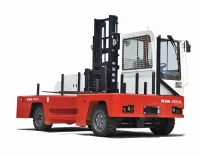
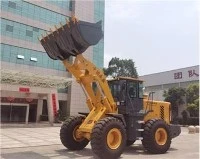
When embarking on a specific mining project, one of the most crucial decisions you'll make is selecting the right mining wheel loader. As a seasoned mining wheel loader supplier, I understand the complexities involved in this process. In this blog, I'll guide you through the essential factors to consider when choosing the perfect wheel loader for your mining project.
Understanding the Mining Environment
The first step in choosing the right mining wheel loader is to understand the specific environment of your mining project. Different mining operations, such as open - pit mining, underground mining, or quarrying, have unique requirements.
In open - pit mining, the terrain is often vast and relatively flat, but the distances between the loading and dumping points can be significant. In this case, you need a wheel loader with a high travel speed and large bucket capacity to ensure efficient material handling. For example, a wheel loader with a powerful engine and large - sized bucket can quickly load and transport large volumes of ore or overburden.
Underground mining, on the other hand, has limited space and low ceilings. You'll need a compact wheel loader with a small turning radius and good maneuverability. The loader should also meet strict safety and ventilation requirements, as the underground environment can be potentially hazardous.
Quarrying operations typically involve handling hard and abrasive materials like granite and marble. For such projects, a wheel loader with heavy - duty components and wear - resistant buckets is essential. Our Granite Loading Machine is specifically designed to handle these tough materials, featuring a robust structure and high - quality bucket materials that can withstand the abrasion of granite.
Bucket Capacity and Payload
Bucket capacity is a key factor in determining the productivity of a wheel loader. It is directly related to the amount of material the loader can carry in each cycle. When choosing a wheel loader, you need to consider the size of the material you'll be handling and the production requirements of your project.
For large - scale mining projects with high - volume material handling needs, a wheel loader with a large bucket capacity, such as 5 to 10 cubic meters, is recommended. This allows for fewer loading cycles, which in turn increases the overall efficiency of the operation. However, if you're dealing with smaller - sized materials or a project with limited space, a smaller bucket capacity, around 1 to 3 cubic meters, may be more appropriate.
Payload is another important consideration. It refers to the maximum weight that the wheel loader can safely carry. You need to ensure that the payload capacity of the loader matches the weight of the materials you'll be handling. Overloading the loader can not only damage the machine but also pose a safety risk. Our Granite Marble Quarry Stone Handling Diesel Loader Forklift Fork Wheel Loader is engineered to have an optimal payload capacity for handling heavy quarry stones.
Power and Performance
The power of a wheel loader is determined by its engine. A more powerful engine can provide greater traction, faster acceleration, and better lifting capacity. When evaluating the power of a wheel loader, look at the engine's horsepower and torque.
In general, for heavy - duty mining applications, a wheel loader with a high - horsepower engine is required. This ensures that the loader can operate efficiently even in challenging conditions, such as steep slopes or when handling large and heavy materials. Additionally, a good - quality engine should be fuel - efficient to reduce operating costs.
Performance is also related to the transmission system of the wheel loader. A smooth and reliable transmission system allows for seamless gear changes, which improves the overall operation of the machine. Some modern wheel loaders are equipped with advanced transmission systems that can automatically adjust to different working conditions, providing better performance and fuel economy.
Operator Comfort and Safety
The comfort and safety of the operator are of utmost importance. A comfortable operator is more likely to be productive and make fewer mistakes. When choosing a wheel loader, look for features such as a well - designed cab, ergonomic controls, and good visibility.
The cab should be spacious and well - insulated to reduce noise and vibration. It should also be equipped with air - conditioning and heating systems to ensure a comfortable working environment in different weather conditions. Ergonomic controls, such as adjustable seats and steering wheels, can reduce operator fatigue during long - hours of operation.
Safety features are also critical. A wheel loader should be equipped with features such as ROPS (Roll - Over Protective Structure) and FOPS (Falling Object Protective Structure) to protect the operator in case of an accident. Additionally, good visibility from the cab is essential to avoid collisions with other equipment or obstacles in the mining area.
Maintenance and Serviceability
Regular maintenance is essential to keep a wheel loader in good working condition. When choosing a wheel loader, consider its maintenance requirements and serviceability.
A wheel loader with easy - to - access components is easier to maintain. Look for features such as easily removable engine covers, accessible filters, and well - marked lubrication points. This allows for quicker and more efficient maintenance, reducing downtime.
It's also important to choose a wheel loader from a supplier that offers good after - sales service. As a supplier, we understand the importance of providing prompt maintenance and repair services. Our team of experienced technicians can quickly diagnose and fix any issues with your wheel loader, ensuring its continuous operation.
Cost - Effectiveness
Cost - effectiveness is a major consideration in any mining project. When choosing a wheel loader, you need to balance the initial purchase price with the long - term operating costs.
A more expensive wheel loader may have better features and performance, which can lead to higher productivity and lower operating costs in the long run. However, you also need to ensure that the cost of the loader fits within your project budget. Consider factors such as fuel consumption, maintenance costs, and the lifespan of the machine when evaluating its cost - effectiveness.
Specialized Features
Depending on your specific mining project, you may need a wheel loader with specialized features. For example, if you're operating in a cold climate, you may need a loader with a pre - heated engine or an insulated cab. If you're handling hazardous materials, a loader with special safety features may be required.


Our Block Wheel Loader is designed with specialized features for handling large blocks of stone. It has a strong lifting capacity and a specially designed bucket that can securely grip and transport these blocks.
In conclusion, choosing the right mining wheel loader for a specific mining project requires careful consideration of various factors. By understanding the mining environment, bucket capacity, power, operator comfort, maintenance, cost - effectiveness, and specialized features, you can make an informed decision.
If you're in the process of selecting a mining wheel loader for your project, I encourage you to reach out to us. Our team of experts can provide you with detailed information and help you choose the most suitable wheel loader for your specific needs. We look forward to discussing your project and assisting you with your procurement process.
References
- International Mining Equipment Standards Handbook, [Publisher name], [Year]
- Mining Technology Magazine, various issues related to wheel loader selection and operation
- Manufacturer's manuals of different wheel loader models for technical specifications and features comparison.