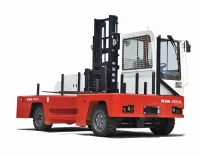
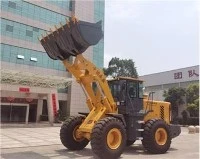
As a supplier of Port Wheel Loaders, I often get asked about various technical aspects of these powerful machines. One question that comes up quite frequently is, "What is the heat dissipation capacity of a Port Wheel Loader's engine?" Today, I'm gonna break it down for you.
First off, let's understand why heat dissipation is such a big deal. The engine of a Port Wheel Loader is the heart of the machine. It works hard, burning fuel to generate the power needed to lift heavy loads, move around the port area, and perform all sorts of tasks. During this process, a huge amount of heat is produced. If this heat isn't properly dissipated, it can lead to all kinds of problems. The engine can overheat, which might cause damage to engine components, reduce the engine's performance, and even lead to breakdowns. And in a port where time is money and operations need to run smoothly, an engine breakdown can be a real headache.
So, what exactly determines the heat dissipation capacity of a Port Wheel Loader's engine? There are several key factors.
Cooling System Design
The cooling system of the engine is the first line of defense against overheating. Most Port Wheel Loaders are equipped with a liquid - cooled system. This system typically consists of a radiator, a water pump, and coolant hoses. The radiator is like a big heat exchanger. Coolant, which is usually a mixture of water and antifreeze, circulates through the engine, absorbing heat. Then it flows to the radiator. The radiator has a large surface area with a lot of fins. As air passes through these fins, the heat from the coolant is transferred to the air, and the cooled coolant then flows back to the engine to repeat the process.
The size and efficiency of the radiator play a crucial role. A larger radiator generally means more surface area for heat transfer, which can increase the heat dissipation capacity. Also, the design of the fins and the way air is forced through the radiator (either by a fan or the forward motion of the loader) affects how well the radiator can cool the coolant.
Engine Load and Usage
The amount of heat generated by the engine depends on how hard it's working. If the Port Wheel Loader is constantly lifting heavy loads, moving large amounts of materials, or operating in tough conditions, the engine has to work harder. This means more fuel is burned, and more heat is produced. For example, if you're using the loader to move large containers at a busy port, the engine will be under a lot of stress compared to when it's doing light - duty tasks like moving small piles of sand. So, the heat dissipation system has to be able to handle these varying levels of heat production.


Environmental Conditions
The environment in which the Port Wheel Loader operates also has a significant impact on heat dissipation. In hot and humid climates, the air is already warm, which makes it harder for the radiator to transfer heat from the coolant to the air. High humidity can also reduce the efficiency of the cooling system because water vapor in the air can act as an insulator. On the other hand, in cold climates, the engine might take longer to reach its optimal operating temperature, but the heat dissipation system still needs to work properly to prevent overheating during heavy - duty operations.
Engine Size and Power
The size and power of the engine are directly related to its heat production. A larger and more powerful engine generally produces more heat. For instance, a high - powered Port Wheel Loader that can handle very heavy loads will have an engine that burns more fuel and generates more heat compared to a smaller, less - powerful loader. Therefore, engines with higher power ratings usually require more robust heat dissipation systems.
Now, as a supplier, we make sure that our Port Wheel Loaders are designed with efficient heat dissipation systems. We use high - quality radiators with advanced fin designs to maximize heat transfer. Our water pumps are engineered to circulate the coolant effectively throughout the engine. And we offer different models of Port Wheel Loaders to suit various operating conditions and load requirements.
If you're in the market for a Port Wheel Loader, we have a great range of options. For instance, our Sand Loader is perfect for handling sand and other granular materials. It has a well - designed heat dissipation system to ensure reliable performance even in tough working conditions. Our 4WD Tractor Loader On Dock is ideal for operations on the dock, with its powerful engine and efficient cooling system. And if you're dealing with sandy soil, our Sandy Soil Wheel Loader is a great choice. It's built to handle the unique challenges of working in sandy environments while maintaining proper engine temperature.
If you're interested in learning more about our Port Wheel Loaders or have any questions about heat dissipation or other technical aspects, don't hesitate to reach out. We're here to help you find the perfect loader for your needs. Contact us to start a discussion about your requirements and let's see how we can work together to get the job done right.
References
- Automotive Engineering Handbook: Engine Systems and Components, various authors. This handbook provides in - depth knowledge about engine cooling systems and heat dissipation principles.
- Machinery's Handbook: A reference book that contains information about mechanical engineering, including details on engine design and cooling mechanisms.
- Industry reports on Port Wheel Loader technology and performance, which offer insights into the latest trends and best practices in engine heat dissipation.