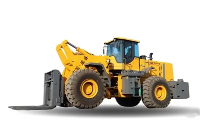
A counterbalanced forklift is a special type of powered industrial truck that is mainly used to move and lift heavy loads in a variety of environments. The name "Balance" comes from the design of the forklift itself; The counterweight is strategically located at the rear end of the vehicle, and its function is to balance the weight of the load carried at the front.
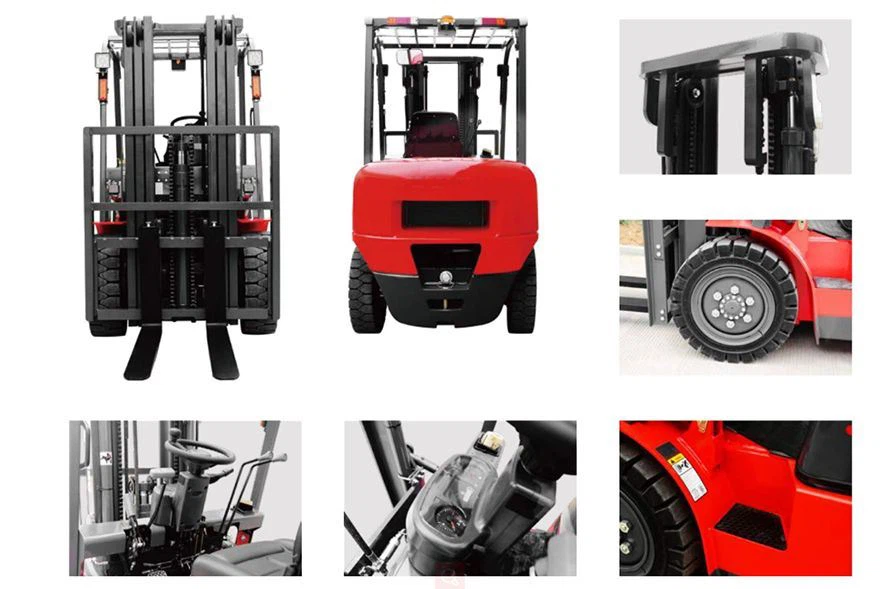
The main features of the counterbalanced forklift:
1.Design: These forklifts are identifiable by their two forks at the front end, which enable them to drive directly up to a load, lift it, and then transport it. Another notable design feature is the three-point suspension system that effectively distributes the overall weight of the vehicle.
2.Operation: The working mechanism of a counterbalance forklift can be likened to a seesaw. It includes a fulcrum (the front axle), a counterweight at the rear, and the load on the forks, all of which contribute to creating a balanced system.
3.Types: There are various types of counterbalance forklifts available, with power sources ranging from diesel to electric. Electric counterbalance forklifts are particularly designed for a wide range of material handling tasks.
4.Durability: Some models of counterbalanced forklifts are manufactured with durability in mind.
5.Versatility: Counterbalance forklifts are highly versatile machines, capable of performing a wide array of tasks. They can safely lift a broad spectrum of weights, making them indispensable in many industrial environments.