What is the Wear Rate of the Bucket Teeth in a Stone Wheel Loader?
As a supplier of stone wheel loaders, I often encounter questions from customers regarding the wear rate of bucket teeth. Understanding this aspect is crucial for both the efficient operation of the equipment and cost - effective management of a project.
1. Factors Affecting the Wear Rate of Bucket Teeth
The wear rate of bucket teeth in a stone wheel loader is influenced by multiple factors. Firstly, the type of stone being handled plays a significant role. Harder stones such as granite and quartzite are much more abrasive than softer stones like limestone. When a wheel loader is used to load granite, the bucket teeth are subjected to intense friction and impact forces. The sharp edges and high hardness of granite particles can quickly wear down the teeth. For example, in a quarry where granite is the primary material, the bucket teeth may experience a relatively high wear rate compared to a site dealing with softer stones.
Secondly, the operating conditions also have a major impact. If the loader is working in a dusty environment, the dust particles can act as abrasives, accelerating the wear of the bucket teeth. Additionally, the frequency and intensity of use can affect the wear rate. A loader that is in continuous operation for long hours every day will naturally experience more wear on its bucket teeth than one that is used intermittently.
The design and quality of the bucket teeth themselves are also important factors. High - quality bucket teeth made from wear - resistant materials such as high - manganese steel or alloy steel can withstand more wear and tear. These materials have better hardness and toughness, which allows them to resist the impact and friction forces during the loading process. On the other hand, poorly designed or low - quality teeth may wear out quickly, even under normal operating conditions.
2. Measuring the Wear Rate
Measuring the wear rate of bucket teeth is essential for predicting when they need to be replaced. One common method is to measure the thickness of the teeth at regular intervals. By comparing the initial thickness with the current thickness, we can calculate the amount of wear that has occurred over a specific period. For example, if a bucket tooth has an initial thickness of 50 mm and after 100 hours of operation, the thickness is reduced to 45 mm, we can say that the tooth has worn 5 mm in 100 hours.

Another way to measure the wear rate is by weighing the bucket teeth. As the teeth wear, they lose mass. By weighing the teeth before and after a certain period of operation, we can determine the mass loss, which can be used to calculate the wear rate.
3. Impact of Wear Rate on Operations
A high wear rate of bucket teeth can have several negative impacts on the operation of a stone wheel loader. Firstly, it can reduce the efficiency of the loader. Worn - out bucket teeth are less effective at penetrating and scooping up the stone. This means that the loader may need to make more passes to load the same amount of material, which increases the operating time and fuel consumption.
Secondly, it can lead to increased maintenance costs. Frequent replacement of bucket teeth is not only expensive in terms of the cost of the new teeth but also in terms of the labor cost associated with the replacement. Moreover, unexpected tooth failures can cause downtime, which can disrupt the entire operation of the project.
4. Strategies to Reduce the Wear Rate
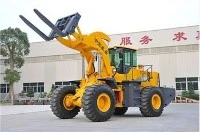
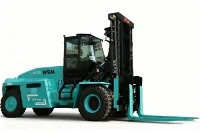
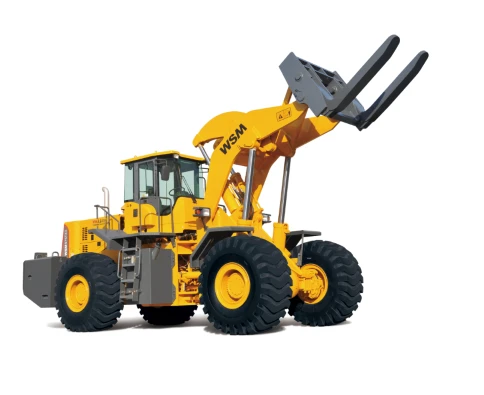
To reduce the wear rate of bucket teeth, several strategies can be adopted. One of the most effective ways is to choose high - quality bucket teeth. As mentioned earlier, teeth made from wear - resistant materials can last longer. We offer a variety of high - quality bucket teeth for our Small Forklift Wheel Loader, 33 Ton Wheel Forklift Front Loader Stone Forklift, and Mining Wheel Loader models, which are designed to withstand the rigors of stone handling.
Proper operation and maintenance of the loader can also help reduce the wear rate. Operators should avoid ramming the bucket into the stone excessively, as this can cause unnecessary impact and wear on the teeth. Regular cleaning of the bucket and teeth can remove abrasive dust and debris, which can slow down the wear process. Additionally, periodic inspection of the teeth can help detect early signs of wear and allow for timely replacement.
5. Industry Standards and Benchmarks
In the industry, there are some general standards and benchmarks for the wear rate of bucket teeth in stone wheel loaders. However, these values can vary significantly depending on the factors mentioned above. For example, in mild operating conditions with relatively soft stones, a bucket tooth may be expected to last for several hundred hours of operation. In more severe conditions with hard stones and continuous use, the lifespan may be reduced to less than a hundred hours.
It is important for operators and project managers to be aware of these benchmarks and monitor the wear rate of their bucket teeth closely. By comparing the actual wear rate with the industry standards, they can identify if there are any issues with the equipment or the operating conditions.
Conclusion
In conclusion, understanding the wear rate of bucket teeth in a stone wheel loader is essential for efficient operation and cost - effective management. The wear rate is affected by factors such as the type of stone, operating conditions, and the quality of the bucket teeth. Measuring the wear rate and taking appropriate strategies to reduce it can help improve the efficiency of the loader and reduce maintenance costs.
If you are in the market for a stone wheel loader or need high - quality bucket teeth, we are here to help. We have a wide range of products, including the Small Forklift Wheel Loader, 33 Ton Wheel Forklift Front Loader Stone Forklift, and Mining Wheel Loader, that are designed to meet your specific needs. Contact us for a detailed discussion on your requirements and let's start a successful business partnership.
References
- Smith, J. (2018). "The Impact of Material Type on Bucket Tooth Wear in Heavy Equipment". Journal of Construction Equipment, 25(3), 45 - 52.
- Johnson, A. (2019). "Optimizing the Performance of Wheel Loaders through Proper Maintenance". Industrial Machinery Review, 32(2), 67 - 73.
- Brown, K. (2020). "Wear - Resistant Materials for Bucket Teeth: A Comparative Analysis". Materials Science Journal, 40(4), 89 - 96.