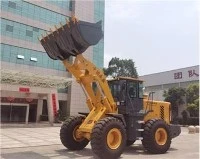
When it comes to operating a Mill Wheel Loader efficiently and safely, one often overlooked yet critical factor is tire pressure. As a leading supplier of Mill Wheel Loaders, we understand the importance of maintaining the right tire pressure for optimal performance. In this blog, we'll delve into the science behind recommended tire pressure for Mill Wheel Loaders, explore the impact of improper tire pressure, and offer practical tips to keep your equipment in top shape.
Understanding the Basics of Tire Pressure
Tire pressure is measured in pounds per square inch (PSI), and it refers to the amount of air inside the tire. The right tire pressure is crucial because it affects several aspects of the Mill Wheel Loader's performance, including traction, stability, fuel efficiency, and tire wear. When the tire pressure is too low, the tire has a larger contact area with the ground, which can increase rolling resistance and reduce fuel efficiency. On the other hand, over-inflated tires have a smaller contact area, which can lead to reduced traction and a harsher ride.


Recommended Tire Pressure for Mill Wheel Loaders
Determining the recommended tire pressure for your Mill Wheel Loader depends on several factors, including the tire size, load capacity, and operating conditions. The manufacturer typically provides the recommended tire pressure in the operator's manual or on a sticker located on the loader. It's essential to follow these guidelines to ensure the safety and efficiency of your equipment.
For most Mill Wheel Loaders, the recommended tire pressure ranges from 25 to 40 PSI. However, this can vary depending on the specific model and application. For example, if you're using the loader in a heavy-duty application, such as mining or construction, you may need to increase the tire pressure to support the additional weight. Conversely, if you're operating the loader on soft or uneven terrain, you may need to reduce the tire pressure to improve traction.
Impact of Improper Tire Pressure
Maintaining the correct tire pressure is not only important for performance but also for safety. Here's a closer look at the impact of improper tire pressure on your Mill Wheel Loader:
Reduced Fuel Efficiency
As mentioned earlier, under-inflated tires have a larger contact area with the ground, which increases rolling resistance. This means the engine has to work harder to move the loader, resulting in higher fuel consumption. According to some studies, tires that are under-inflated by just 10% can reduce fuel efficiency by up to 3%.
Uneven Tire Wear
Improper tire pressure can also lead to uneven tire wear. Under-inflated tires tend to wear more on the edges, while over-inflated tires wear more in the center. This not only reduces the lifespan of the tires but also affects the handling and stability of the loader.
Reduced Traction and Stability
Tire pressure plays a crucial role in providing traction and stability. Under-inflated tires can cause the loader to lose traction, especially on slippery or uneven surfaces. This can increase the risk of accidents and make it more difficult to control the equipment. Over-inflated tires, on the other hand, can reduce the contact area with the ground, leading to reduced traction and a harsher ride.
Increased Risk of Tire Failure
Operating with improper tire pressure can also increase the risk of tire failure. Under-inflated tires generate more heat, which can cause the rubber to break down and lead to a blowout. Over-inflated tires are more prone to punctures and damage from road hazards.
Tips for Maintaining the Right Tire Pressure
To ensure the safety and efficiency of your Mill Wheel Loader, it's important to regularly check and maintain the tire pressure. Here are some tips to help you keep your tires in top shape:
Check Tire Pressure Regularly
Make it a habit to check the tire pressure at least once a week or before each shift. Use a reliable tire pressure gauge to get an accurate reading. Remember to check the pressure when the tires are cold, as the pressure can increase by several PSI when the tires are hot.
Follow the Manufacturer's Recommendations
As mentioned earlier, the manufacturer provides the recommended tire pressure in the operator's manual or on a sticker located on the loader. Make sure to follow these guidelines to ensure the safety and efficiency of your equipment.
Adjust Tire Pressure for Different Conditions
If you're operating the loader in different conditions, such as on soft or uneven terrain, you may need to adjust the tire pressure accordingly. For example, reducing the tire pressure can improve traction on soft ground, while increasing the pressure can provide better stability on hard surfaces.
Inspect Tires for Damage
In addition to checking the tire pressure, it's also important to inspect the tires for damage, such as cuts, punctures, and abnormal wear. If you notice any signs of damage, replace the tire immediately to avoid a blowout or other safety issues.
Conclusion
Maintaining the right tire pressure is essential for the safe and efficient operation of your Mill Wheel Loader. By following the manufacturer's recommendations, checking the tire pressure regularly, and adjusting it for different conditions, you can improve fuel efficiency, reduce tire wear, and enhance traction and stability. As a leading supplier of Mill Wheel Loaders, we're committed to providing our customers with the highest quality equipment and support. If you have any questions or need more information about tire pressure or other aspects of operating a Mill Wheel Loader, please don't hesitate to [contact us]. We're here to help you get the most out of your equipment.
If you're in the market for a new Mill Wheel Loader or looking to upgrade your existing equipment, we invite you to explore our range of Mill Wheel Loader options. Additionally, we also offer Container Rotating Loader Flip Forklift and Sand Wheel Loader models to meet your specific needs. Contact us today to discuss your requirements and start a procurement conversation.
References
- Tire and Rim Association, Inc. (T&RA) Standards Manual.
- Society of Automotive Engineers (SAE) Standards.