The electrical system of a stone wheel loader is a complex and crucial part that ensures the efficient and reliable operation of the machine. As a leading stone wheel loader supplier, we understand the significance of a well - designed electrical system, and in this blog, we'll delve deep into what it entails.
1. The Basics of the Electrical System
At its core, the electrical system of a stone wheel loader serves multiple functions. It provides power for starting the engine, operates various electrical components, and enables communication between different parts of the machine. The system mainly consists of a power source, electrical circuits, and electrical loads.
The power source is typically a battery, which stores electrical energy. In a stone wheel loader, a large - capacity battery is required to supply sufficient power for starting the engine, especially in cold weather conditions. The battery is usually a lead - acid type, known for its reliability and ability to deliver high - current bursts.
Electrical circuits are the pathways through which electricity flows. They are made up of wires, connectors, and fuses. Wires are used to connect different components, while connectors ensure a secure and stable connection. Fuses act as safety devices; they protect the electrical system from over - current situations by breaking the circuit when the current exceeds a certain limit.
Electrical loads are the components that consume electrical power. These include the starter motor, lights, gauges, sensors, and control units. Each load has specific power requirements and operates under different conditions.
2. Key Components of the Electrical System
Starter Motor
The starter motor is one of the most critical components in the electrical system. Its main function is to crank the engine to start the combustion process. When the operator turns the ignition key, an electrical signal is sent to the starter solenoid, which then engages the starter motor. The starter motor rotates the engine's flywheel, allowing the engine to start running. A high - torque starter motor is essential for stone wheel loaders, as they often operate in tough environments and may require more power to start the engine.
Lights
Lights play a vital role in the operation of a stone wheel loader, especially during night - time or low - visibility conditions. There are different types of lights, including headlights, work lights, and signal lights. Headlights provide illumination for forward movement, enabling the operator to see the path ahead. Work lights are installed on the front and sides of the loader to illuminate the working area, such as the loading and unloading zones. Signal lights, such as turn signals and brake lights, are used to communicate the loader's intentions to other operators and pedestrians.


Gauges and Sensors
Gauges and sensors are used to monitor the status of the loader and provide information to the operator. Gauges display important parameters such as fuel level, engine temperature, oil pressure, and battery voltage. Sensors, on the other hand, detect physical quantities such as temperature, pressure, and position. For example, an engine temperature sensor can detect if the engine is overheating, and a fuel level sensor can accurately measure the amount of fuel in the tank. This information helps the operator to operate the loader safely and efficiently and to detect potential problems early.
Control Units
Control units are the brains of the electrical system. They receive input signals from sensors and gauges, process the information, and send output signals to control various components. For example, an engine control unit (ECU) manages the engine's fuel injection, ignition timing, and other functions to optimize performance and reduce emissions. A hydraulic control unit may control the operation of the loader's hydraulic system, such as the lifting and tilting of the bucket.
3. Importance of a Reliable Electrical System
A reliable electrical system is essential for the smooth operation of a stone wheel loader. First of all, it ensures the safety of the operator and other personnel. Properly functioning lights and signal lights help to prevent accidents, especially in busy work sites. Sensors and gauges provide real - time information about the loader's condition, allowing the operator to take appropriate actions to avoid breakdowns or malfunctions.
Secondly, a reliable electrical system improves the efficiency of the loader. When all electrical components work properly, the loader can operate at its optimal performance level. For example, a well - functioning engine control unit can adjust the engine's parameters in real - time, resulting in better fuel economy and reduced emissions.
Finally, a reliable electrical system reduces maintenance costs. By preventing electrical failures and breakdowns, it minimizes the need for frequent repairs and replacements of components. This not only saves money but also reduces the downtime of the loader, which is crucial for construction and mining projects.
4. Maintenance of the Electrical System
To ensure the reliability of the electrical system, regular maintenance is necessary. Here are some maintenance tips:
- Battery Maintenance: Check the battery's electrolyte level regularly and top it up with distilled water if necessary. Clean the battery terminals to prevent corrosion, which can cause poor electrical connections. Also, ensure that the battery is properly secured in its mounting to avoid vibration - related damage.
- Wire and Connector Inspection: Inspect the wires and connectors for signs of wear, damage, or loose connections. Replace any damaged wires or connectors immediately. Tighten loose connections to ensure a stable electrical flow.
- Fuse Check: Regularly check the fuses to see if they are blown. Replace any blown fuses with ones of the correct rating. Using a fuse with an incorrect rating can lead to electrical problems or even damage the electrical system.
- Component Testing: Periodically test the electrical components, such as the starter motor, lights, gauges, and sensors, to ensure they are working properly. If a component fails the test, it should be repaired or replaced.
5. Our Offerings as a Stone Wheel Loader Supplier
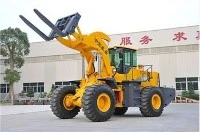
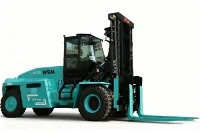
As a professional stone wheel loader supplier, we offer a wide range of products with advanced electrical systems. Our Small Forklift Wheel Loader is designed for small - scale operations. It is equipped with a reliable electrical system that ensures easy starting and smooth operation. The compact size and efficient electrical components make it an ideal choice for tight workspaces.
Our Latest Design Granite Loading Machine features state - of - the - art electrical technology. It has advanced sensors and control units that provide real - time data and precise control. This machine is suitable for large - scale granite loading projects, where high efficiency and reliability are crucial.
In addition, our Wheel Load Telehandler combines the functions of a wheel loader and a telehandler. Its electrical system is designed to support the complex operations of both machines, offering excellent performance and flexibility.
6. Conclusion
The electrical system of a stone wheel loader is a complex and integral part of the machine. It consists of various components that work together to ensure the loader's efficient, safe, and reliable operation. As a stone wheel loader supplier, we are committed to providing high - quality products with advanced electrical systems. If you are in the market for a stone wheel loader or have any questions about our products, we encourage you to contact us for procurement and further discussion. Our team of experts is ready to assist you in finding the most suitable solution for your needs.
References
- Automotive Electrical and Electronic Systems by William H. Crouse and Donald L. Anglin
- Heavy Equipment Electrical Systems: Troubleshooting and Repair by David A. Hrovat