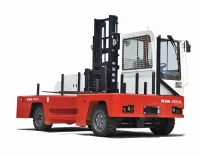
Visibility is a crucial factor in the safe and efficient operation of forklift trucks. As a supplier of various types of forklifts, including Electric Forklift 3 Ton, Industrial Handling Forklift, and 5 Tons Forklift, I've witnessed firsthand how visibility issues can pose significant challenges in warehouse and industrial settings.
Cabin Design and Obstructions
One of the primary visibility issues with forklift trucks stems from the design of the cabin. Forklift cabins are often equipped with various components such as pillars, control panels, and roof structures. These elements, while necessary for the operation and safety of the truck, can obstruct the operator's line of sight. For example, the A-pillars on either side of the cabin can block the view when turning or moving in tight spaces. This makes it difficult for operators to see pedestrians, other vehicles, or obstacles in their path, increasing the risk of collisions.
Moreover, the location and size of the control panels can also limit visibility. If the panels are placed too high or are oversized, they can obstruct the operator's view of the forks and the load being carried. This can lead to inaccurate positioning of the forks, resulting in dropped loads or damage to the goods and the forklift itself.
Load Placement and Size
The way the load is placed on the forklift and its size can have a significant impact on visibility. When a load is stacked too high or is not properly centered on the forks, it can block the operator's forward view. This is especially problematic when driving in reverse, as the operator may not be able to see what's behind the forklift. Additionally, large or irregularly shaped loads can create blind spots on the sides of the forklift, making it difficult to maneuver safely in narrow aisles or around corners.
For instance, if a pallet of goods is stacked higher than the operator's line of sight, the operator will have to rely on mirrors or other visual aids to navigate. However, mirrors have their limitations, and they may not provide a complete view of the surroundings. As a result, operators may have to make frequent stops and adjustments to their position to ensure they can see clearly, which can slow down operations and increase the risk of accidents.


Environmental Conditions
Environmental conditions also play a role in visibility issues with forklift trucks. In warehouses and industrial facilities, poor lighting is a common problem. Dimly lit areas can make it difficult for operators to see clearly, especially when working in the aisles or in areas with high racking. This can lead to misjudgment of distances and positions, increasing the likelihood of collisions with other objects or people.
Dust, smoke, and fog can also reduce visibility. In manufacturing plants or construction sites, dust and debris can be kicked up during the normal course of operations, making it difficult for operators to see. Similarly, in facilities where welding or other processes generate smoke, visibility can be severely impaired. In these situations, operators may have to rely on their senses other than sight, such as sound and touch, to navigate safely.
Operator Position and Fatigue
The position of the operator within the cabin can affect visibility. If the operator's seat is not adjusted properly, they may not have a clear line of sight through the windshield or the mirrors. This can lead to a restricted view of the surroundings, increasing the risk of accidents. Additionally, operators who are fatigued may have reduced reaction times and may be less likely to notice potential hazards in their path.
Long hours of operation, repetitive tasks, and uncomfortable working conditions can all contribute to operator fatigue. When operators are tired, they are more likely to make mistakes, such as misjudging distances or failing to notice obstacles. As a supplier, we understand the importance of providing ergonomic cabins and adjustable seating to ensure that operators can maintain a comfortable and proper position while operating the forklift, which in turn improves visibility and reduces the risk of accidents.
Solutions to Visibility Issues
To address these visibility issues, there are several solutions that we, as a forklift supplier, can offer to our customers.
Improved Cabin Design
Investing in forklifts with a well-designed cabin can significantly improve visibility. This includes reducing the size and number of pillars, using thinner and stronger materials for the cabin structure, and optimizing the placement of control panels. For example, some modern forklifts have panoramic windshields and low-profile control panels, which provide operators with a wider and clearer view of their surroundings.
Load Management Systems
Implementing load management systems can help ensure that loads are properly placed and stacked on the forklift. These systems can include load sensors, cameras, and indicators that alert the operator if the load is not centered or if it exceeds the recommended height. By using these systems, operators can ensure that their view is not obstructed by the load, improving safety and efficiency.
Lighting and Visibility Aids
Installing adequate lighting in warehouses and industrial facilities is essential for improving visibility. This can include overhead lighting, spotlights on the forklift, and reflective markings on the floors and walls. Additionally, using visibility aids such as mirrors, cameras, and sensors can provide operators with a better view of their surroundings. For example, rearview cameras can give operators a clear view of what's behind the forklift when reversing, reducing the risk of collisions.
Operator Training
Proper operator training is crucial for addressing visibility issues. Operators should be trained to recognize the potential visibility challenges associated with different types of loads, cabin designs, and environmental conditions. They should also be trained on how to adjust the seat and mirrors to ensure a clear view, how to use visibility aids effectively, and how to maintain a safe operating speed.
Conclusion
Visibility issues are a significant concern when it comes to the safe and efficient operation of forklift trucks. As a forklift supplier, we are committed to providing our customers with solutions that address these issues. By investing in improved cabin design, load management systems, lighting and visibility aids, and operator training, we can help our customers reduce the risk of accidents and improve productivity in their warehouses and industrial facilities.
If you're in the market for a forklift or are interested in learning more about how we can help you address visibility issues, please contact us to discuss your specific needs. We look forward to working with you to find the best forklift solution for your business.
References
- OSHA (Occupational Safety and Health Administration). Forklift Safety Standards.
- Industrial Truck Association (ITA). Best Practices for Forklift Operation.
- Various industry research papers on forklift safety and visibility.