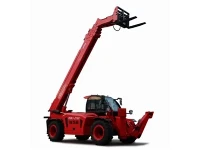
When it comes to the world of heavy machinery, diesel wheel loaders stand out as indispensable workhorses in various industries, from construction and mining to agriculture and waste management. As a supplier of Diesel Wheel Loader, I understand that potential buyers are not only interested in the initial purchase price but also the long - term maintenance costs. In this blog, I will delve into the key factors that contribute to the maintenance costs of a diesel wheel loader and provide insights to help you make informed decisions.
1. Engine Maintenance
The engine is the heart of a diesel wheel loader, and proper maintenance is crucial to ensure its longevity and optimal performance. Diesel engines are known for their durability, but they also require regular attention.


- Oil and Filter Changes: Regularly changing the engine oil and filters is one of the most basic yet essential maintenance tasks. Engine oil lubricates the moving parts, reduces friction, and helps dissipate heat. Over time, the oil breaks down and becomes contaminated with dirt, debris, and combustion by - products. Most manufacturers recommend changing the engine oil every 250 - 500 operating hours, depending on the model and the working conditions. Additionally, the oil filter should be replaced at the same time to prevent these contaminants from circulating back into the engine.
- Air Filter Maintenance: The air filter plays a vital role in keeping the engine clean by preventing dust, dirt, and other airborne particles from entering the combustion chamber. In dusty environments, such as construction sites or mines, the air filter can become clogged quickly. A clogged air filter restricts airflow to the engine, reducing fuel efficiency and performance. Therefore, it is important to inspect and clean or replace the air filter regularly, especially in harsh working conditions.
- Fuel System Maintenance: The fuel system in a diesel wheel loader is more sensitive compared to gasoline engines. Diesel fuel can contain impurities and water, which can cause damage to the fuel injectors, pumps, and other components. To prevent issues, it is necessary to use high - quality fuel and regularly drain the water separator and fuel filters. Some advanced diesel engines also require periodic cleaning of the fuel injectors to maintain proper fuel atomization and combustion.
2. Hydraulic System Maintenance
The hydraulic system of a diesel wheel loader is responsible for powering the lifting, tilting, and steering functions. It is a complex system that requires careful maintenance.
- Hydraulic Fluid Maintenance: Hydraulic fluid serves as both a lubricant and a power - transmitting medium in the hydraulic system. Over time, the hydraulic fluid can degrade due to heat, oxidation, and contamination. Regularly checking the fluid level and condition is essential. If the fluid appears dirty, cloudy, or has a burnt smell, it should be changed immediately. Most manufacturers recommend changing the hydraulic fluid every 1000 - 2000 operating hours, depending on the usage and the quality of the fluid.
- Filter Replacement: The hydraulic system is equipped with filters to remove contaminants from the fluid. These filters need to be replaced at regular intervals to ensure the proper functioning of the system. A clogged filter can restrict the flow of hydraulic fluid, leading to reduced performance and potential damage to the hydraulic components.
- Seal and Hose Inspection: The hydraulic system relies on seals and hoses to prevent fluid leakage. Over time, these seals and hoses can wear out, crack, or become damaged. Regular visual inspections should be carried out to check for any signs of leakage, such as oil stains or dampness around the seals and hoses. Damaged seals and hoses should be replaced promptly to avoid loss of hydraulic pressure and potential system failure.
3. Tire Maintenance
Tires are another significant cost factor in the maintenance of a diesel wheel loader. Proper tire maintenance can significantly extend their lifespan and reduce the overall operating costs.
- Tire Pressure Checks: Maintaining the correct tire pressure is crucial for optimal performance and tire longevity. Under - inflated tires can increase rolling resistance, leading to higher fuel consumption and uneven tire wear. Over - inflated tires, on the other hand, can reduce traction and cause the tires to wear out more quickly in the center. It is recommended to check the tire pressure daily or at least before each shift.
- Tire Rotation: Regular tire rotation helps to ensure even wear across all the tires. This is especially important for wheel loaders that operate on uneven surfaces or perform a lot of turning. By rotating the tires at regular intervals, you can extend their lifespan and save on replacement costs.
- Tire Inspection: Inspecting the tires regularly for signs of damage, such as cuts, punctures, or excessive wear, is essential. If a tire is damaged beyond repair, it should be replaced immediately to prevent safety hazards and further damage to the wheel loader.
4. Brake and Transmission Maintenance
The brake and transmission systems are critical for the safe and efficient operation of a diesel wheel loader.
- Brake Maintenance: The brakes on a wheel loader need to be inspected regularly for proper adjustment and wear. The brake pads, rotors, and calipers should be checked for any signs of damage or excessive wear. Brake fluid levels should also be monitored, and the fluid should be changed according to the manufacturer's recommendations. Faulty brakes can pose a serious safety risk, so it is important to address any issues promptly.
- Transmission Maintenance: The transmission in a diesel wheel loader is responsible for transferring power from the engine to the wheels. Regularly checking the transmission fluid level and condition is essential. The transmission fluid helps to lubricate the gears and other moving parts, and it also helps to dissipate heat. Over time, the fluid can become contaminated or break down, leading to poor shifting performance and potential damage to the transmission. It is recommended to change the transmission fluid and filter at regular intervals as specified by the manufacturer.
5. Cab and Structure Maintenance
Maintaining the cab and the structure of the wheel loader is not only important for the comfort of the operator but also for the overall durability of the machine.
- Cab Cleaning and Maintenance: Keeping the cab clean and well - maintained can improve the operator's comfort and safety. The interior of the cab should be cleaned regularly to remove dust, dirt, and debris. The seats, controls, and dashboard should also be inspected for any signs of wear or damage. Additionally, the air conditioning and heating systems in the cab should be serviced regularly to ensure proper operation.
- Structural Inspection: The frame and other structural components of the wheel loader should be inspected regularly for any signs of cracks, corrosion, or damage. These issues can compromise the integrity of the machine and pose a safety risk. Any structural damage should be repaired immediately by a qualified technician.
Maintenance Costs Comparison
The maintenance costs of a diesel wheel loader can vary depending on several factors, including the size and model of the machine, the working conditions, and the frequency of use. Smaller wheel loaders, such as Small Loader or Mini Shovel, generally have lower maintenance costs compared to larger models. This is because they have smaller engines, less complex hydraulic systems, and smaller tires, which require less expensive parts and less frequent maintenance.
In general, the annual maintenance cost of a diesel wheel loader can range from 10% to 20% of the initial purchase price. However, this is just an estimate, and the actual cost can be higher or lower depending on the factors mentioned above.
Conclusion
Understanding the maintenance costs of a diesel wheel loader is essential for anyone considering purchasing one. By factoring in the costs associated with engine maintenance, hydraulic system maintenance, tire maintenance, brake and transmission maintenance, and cab and structure maintenance, you can make a more informed decision about which model is the best fit for your needs and budget.
As a supplier of diesel wheel loaders, I am committed to providing high - quality machines and comprehensive after - sales support. If you are interested in learning more about our products or have any questions regarding maintenance costs, please feel free to contact us. We are ready to assist you in finding the right diesel wheel loader for your operations and help you manage the maintenance costs effectively.
References
- Manufacturer's operation and maintenance manuals for diesel wheel loaders.
- Industry reports on heavy machinery maintenance costs.