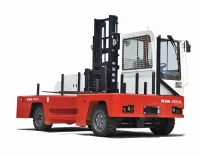
As a dedicated supplier of diesel forklifts, I've witnessed firsthand the impact these powerful machines can have on various industries. Diesel forklifts are a cornerstone in the world of material handling, offering unparalleled advantages that make them a top choice for businesses around the globe. In this blog, I'll delve into the main advantages of diesel forklifts, highlighting why they are an essential asset for numerous operations.
Robust Power and Performance
One of the most significant advantages of diesel forklifts is their sheer power. Diesel engines are renowned for their high torque output, which is crucial for lifting heavy loads. Whether you're dealing with large pallets, heavy machinery, or dense materials, a diesel forklift can handle the task with ease. This high torque allows the forklift to start moving heavy loads smoothly, even on inclines or uneven surfaces.
For instance, in industries such as construction, mining, and large - scale warehousing, where heavy lifting is a daily requirement, diesel forklifts shine. A 25 - Ton Forklift powered by a diesel engine can effortlessly lift extremely heavy cargo, making it an indispensable tool for these demanding environments. The power of a diesel engine also ensures that the forklift can maintain consistent performance over long working hours, without the need for frequent breaks to recharge, as is the case with electric forklifts.
Durability and Longevity
Diesel forklifts are built to last. The construction of diesel engines is generally more robust compared to their electric or gas counterparts. The internal components of a diesel engine are designed to withstand high - pressure and high - temperature conditions, which means they can endure the rigors of continuous, heavy - duty use.
In a busy industrial setting, where forklifts are in operation throughout the day, a durable machine is essential. Diesel forklifts can handle the constant starts, stops, and heavy lifting without suffering from premature wear and tear. This longevity translates into a lower total cost of ownership over the long term. While the initial purchase price of a diesel forklift may be higher than some other types, the extended lifespan and reduced need for frequent replacements make it a cost - effective investment in the long run.
Fuel Efficiency and Cost Savings
Contrary to what some may think, diesel forklifts can be quite fuel - efficient. Diesel fuel has a higher energy density compared to gasoline, which means that a diesel forklift can do more work per unit of fuel. This higher energy efficiency allows businesses to save on fuel costs, especially for operations that require long hours of forklift use.


Moreover, diesel fuel prices are often more stable compared to gasoline prices in many regions. This stability provides businesses with more predictable operating costs. For businesses with large fleets of forklifts, these savings on fuel can add up significantly over time. Consider a large distribution center that uses multiple forklifts throughout the day. By choosing diesel forklifts, they can reduce their overall fuel expenditure and improve their bottom line.
Versatility in Various Working Conditions
Diesel forklifts are incredibly versatile and can operate effectively in a wide range of working conditions. They are well - suited for both indoor and outdoor use. Outdoors, they can handle rough terrains, uneven ground, and adverse weather conditions with ease. The excellent traction provided by diesel forklifts allows them to move heavy loads on unpaved surfaces, such as construction sites or lumber yards.
Indoors, although they do emit exhaust fumes, modern diesel forklifts are equipped with advanced emission control systems that minimize the impact on indoor air quality. In large, well - ventilated warehouses, diesel forklifts can function efficiently, offering the same power and performance as they do outdoors. This versatility makes them a practical choice for businesses that require forklifts to operate in different environments. For example, a logistics company may need forklifts to handle goods both in their warehouse and in the outdoor loading and unloading areas, and a diesel forklift can meet these diverse requirements.
Quick Refueling
Compared to electric forklifts that require time - consuming recharging, diesel forklifts can be refueled quickly. In a busy work environment, time is of the essence, and every minute saved counts. Refueling a diesel forklift takes only a few minutes, allowing the forklift to get back to work almost immediately.
This quick refueling capability is particularly beneficial in operations with tight schedules and high - volume material handling. For instance, in a shipping dock where there is a constant flow of incoming and outgoing goods, a diesel forklift can be refueled during a short break and resume its work promptly, ensuring smooth and efficient operations.
Compatibility with Heavy Load and High - Capacity Operations
Diesel forklifts are designed to handle heavy loads and high - capacity operations. They are available in a wide range of load capacities, from small models suitable for light - duty tasks to large, heavy - duty models capable of lifting several tons. The Hot Selling Fashion Used Clean Counterbalanced Cargo Forklift Truck 13.5t Diesel Forklift is a prime example of a high - capacity diesel forklift that can meet the needs of businesses dealing with large and heavy cargo.
In industries such as steel manufacturing, automotive production, and large - scale shipping, where heavy and oversized loads are common, diesel forklifts are the go - to choice. Their ability to lift and move heavy loads safely and efficiently is crucial for maintaining productivity and ensuring the smooth flow of operations.
Maintenance and Repairability
Diesel engines have a long - established service network, which means that maintenance and repair services are widely available. There are numerous trained technicians and service centers that specialize in diesel engines, making it easy for businesses to find the necessary support when their forklifts require maintenance or repair.
Moreover, the parts for diesel engines are generally more accessible and cost - effective compared to some specialized parts for other types of forklifts. This accessibility reduces the downtime of the forklift, as replacement parts can be obtained quickly, and repairs can be carried out in a timely manner. Regular maintenance of a diesel forklift can also prevent major breakdowns and ensure its optimal performance over its lifespan.
Application in Specialized Industries
In addition to the common industrial applications, diesel forklifts also play a vital role in specialized industries. For example, in port operations, Wharf Container Crane systems often work in conjunction with diesel forklifts. Diesel forklifts are used to move and position containers on the wharf, transferring them between the container yard and the ship. Their power and durability are essential in this high - stakes environment where large and heavy containers need to be handled efficiently.
In the forestry industry, diesel forklifts are used to move logs and lumber. The rough and uneven terrain of forest areas requires a forklift with good traction and high - power performance, which diesel forklifts can provide. They can navigate through the woods, lift heavy logs, and transport them to the processing areas.
Conclusion
In conclusion, the advantages of diesel forklifts are numerous and significant. Their robust power, durability, fuel efficiency, versatility, quick refueling, and compatibility with heavy - load operations make them a top choice for a wide range of industries. Whether you're running a large - scale warehouse, a construction site, a port, or a specialized manufacturing facility, a diesel forklift can greatly enhance your operational efficiency and productivity.
If you're considering investing in diesel forklifts for your business, I encourage you to reach out and start a procurement discussion. Our team of experts is ready to assist you in finding the most suitable diesel forklifts to meet your specific needs, ensuring that you get the best value for your investment.
References
- "Forklift Operator's Manual" - Various forklift manufacturers' manuals provide detailed information on the features and capabilities of diesel forklifts.
- Industry reports on material handling equipment, which analyze the market trends and performance of different types of forklifts, including diesel forklifts.