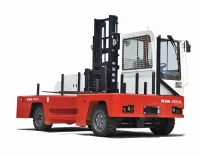
Transporting a diesel forklift is a complex process that requires careful planning and execution. As a diesel forklift supplier, I've encountered numerous situations where proper transportation is crucial. In this blog post, I'll share some essential steps and considerations to ensure the safe and efficient transport of diesel forklifts.
Pre - transport Preparations
Inspection
Before transporting a diesel forklift, a comprehensive inspection is necessary. Check the forklift's overall condition, including the engine, brakes, tires, and mast. Ensure that the engine is in good working order and there are no fluid leaks. A faulty engine or leaking fluids can not only cause damage to the forklift during transport but also pose safety risks. For the brakes, make sure they are responsive and properly adjusted. Worn - out brakes can lead to unexpected movement during loading and unloading. The tires should have adequate tread depth and proper inflation. Damaged tires can burst during transit, causing instability. Inspect the mast for any signs of bending or damage, as it is a critical component for the forklift's functionality.
Cleaning
Cleaning the forklift is an often - overlooked but important step. Remove any dirt, debris, or loose parts from the forklift. This not only helps in better inspection but also prevents dirt from getting into sensitive components during transport. For example, dirt in the engine air intake can cause engine problems. Additionally, clean the forks and mast to ensure they are free from any contaminants that could affect their operation once the forklift reaches its destination.
Securing Loose Parts
Identify and secure any loose parts on the forklift. This includes tools, attachments, and any removable components. Loose parts can shift during transport, causing damage to the forklift or other items in the transport vehicle. Use straps or fasteners to secure these parts firmly in place. For instance, if there are additional forks or a side - shift attachment, make sure they are properly fastened to prevent them from moving around.
Documentation
Gather all the necessary documentation for the forklift. This includes the bill of sale, warranty information, and any maintenance records. Having these documents readily available is important for customs clearance (if transporting internationally) and for the new owner to understand the forklift's history and warranty coverage.
Choosing the Right Transport Method
Flatbed Trucks
Flatbed trucks are a popular choice for transporting diesel forklifts. They offer a large, open - top platform that allows for easy loading and unloading of the forklift. The forklift can be driven onto the flatbed or lifted using a crane. Flatbed trucks are suitable for short - to medium - distance transport and can accommodate forklifts of various sizes. However, when using a flatbed truck, ensure that the truck has a proper weight - capacity rating to handle the forklift's weight. Also, make sure the flatbed is in good condition, without any signs of rust or damage that could affect the forklift's stability during transport.
Enclosed Trailers
Enclosed trailers provide protection from the elements, such as rain, snow, and dust. This is especially important for long - distance transport or when transporting the forklift through harsh weather conditions. Enclosed trailers also offer better security, as they are more difficult for unauthorized individuals to access. However, they may be more expensive than flatbed trucks, and loading and unloading can be more challenging due to limited access space.


Shipping Containers
For international transport or when the forklift needs to be transported over long distances by sea, shipping containers are a viable option. Shipping containers come in different sizes and can be easily loaded onto ships or trains. They provide a high level of protection for the forklift and are designed to withstand the rigors of long - distance travel. However, proper securing of the forklift inside the container is crucial to prevent movement during transit.
Loading the Diesel Forklift
Using a Crane
If the forklift cannot be driven onto the transport vehicle, a crane can be used. When using a crane, ensure that the crane operator is properly trained and certified. The forklift should be lifted using appropriate lifting equipment, such as slings or chains. The lifting points on the forklift should be clearly identified and used correctly to prevent damage to the forklift. Make sure the crane has a sufficient lifting capacity to handle the forklift's weight.
Driving onto the Transport Vehicle
If the forklift can be driven onto the transport vehicle, take extra precautions. The ramp used for loading should be stable and have a proper incline. The forklift operator should drive slowly and carefully onto the vehicle, following the instructions of the loading crew. Once on the vehicle, the forklift should be positioned in the center to ensure balance.
Securing the Forklift on the Transport Vehicle
Straps and Chains
Use high - quality straps and chains to secure the forklift to the transport vehicle. The straps and chains should be properly rated for the forklift's weight. Attach the straps or chains to the designated tie - down points on the forklift and the transport vehicle. Make sure the straps and chains are tightened to prevent any movement during transport. Check the tightness of the straps and chains periodically during the journey, especially after going over bumps or uneven roads.
Blocking and Bracing
In addition to straps and chains, use blocking and bracing materials to further secure the forklift. Blocks of wood or other suitable materials can be placed under the wheels to prevent them from rolling. Bracing can be used to support the mast and other parts of the forklift to prevent them from shifting.
During Transport
Monitoring
If possible, monitor the forklift during transport. This can be done through GPS tracking or by having a driver report on the condition of the load at regular intervals. Monitoring helps in detecting any issues early, such as loose straps or signs of damage.
Weather Considerations
Be aware of the weather conditions during transport. If there is a risk of heavy rain, snow, or strong winds, take appropriate measures to protect the forklift. For example, if using a flatbed truck, cover the forklift with a waterproof tarp.
Unloading the Forklift
Safety First
When unloading the forklift, follow the same safety procedures as during loading. Ensure that the unloading area is clear of obstacles and that the ramp or crane is in good condition. The forklift operator should drive or be lifted off the transport vehicle slowly and carefully.
Final Inspection
After unloading, conduct a final inspection of the forklift. Check for any signs of damage that may have occurred during transport. If any damage is found, document it and report it immediately.
Conclusion
Transporting a diesel forklift is a multi - step process that requires attention to detail and strict adherence to safety procedures. By following the steps outlined in this blog post, you can ensure the safe and efficient transport of your diesel forklift.
If you are in the market for high - quality diesel forklifts or have questions about their transport, we are here to help. We offer a wide range of diesel forklifts, including Construction Forklift, Lithium - ion Counterbalanced Forklifts, and our products are designed to meet the diverse needs of different industries. We also have experience in handling the transport process to ensure your forklift reaches you in perfect condition. Contact us to discuss your requirements and start the procurement process.
References
- Forklift Safety Manual. [Publisher's Name], [Year of Publication].
- Transport Regulations for Heavy Machinery. [Regulatory Body], [Year of Publication].