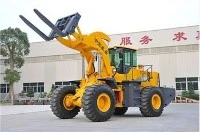
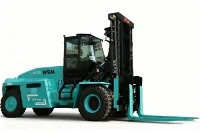
As a supplier of Stone Wheel Loaders, I understand the importance of maintaining these heavy - duty machines to ensure their optimal performance and longevity. One of the key maintenance tasks is tire replacement. Tires are the point of contact between the loader and the ground, and their condition significantly affects the machine's stability, traction, and overall operation.
Understanding the Need for Tire Replacement
Before delving into the replacement process, it's essential to recognize when tire replacement is necessary. Over time, tires on a Stone Wheel Loader can wear out due to continuous use on rough terrain, high - impact operations, and exposure to various environmental factors. Signs of tire wear include low tread depth, visible cracks, bulges, or punctures. Low tread depth reduces traction, especially on wet or slippery surfaces, which can lead to safety risks during operation. Cracks and bulges can compromise the tire's structural integrity, increasing the likelihood of a blowout. Punctures, even small ones, can cause slow air leaks, leading to uneven tire pressure and further wear.
Pre - replacement Preparation
Gather Necessary Tools
To replace the tires of a Stone Wheel Loader, you'll need a set of specialized tools. These include a tire iron, which is used to remove the lug nuts that hold the wheel in place. A hydraulic jack is essential for lifting the loader off the ground to access the tires. Additionally, a torque wrench is required to ensure that the lug nuts are tightened to the manufacturer's specifications. This is crucial as over - or under - tightening the lug nuts can lead to wheel misalignment and uneven tire wear.
Safety Measures
Safety should always be the top priority when working on heavy machinery. Make sure the Stone Wheel Loader is parked on a flat, stable surface. Engage the parking brake and turn off the engine to prevent accidental movement. Wear appropriate personal protective equipment (PPE), such as safety glasses, gloves, and steel - toed boots. If possible, block the wheels that are not being replaced to prevent the loader from rolling.


The Tire Replacement Process
Removing the Old Tires
- Start by using the tire iron to loosen the lug nuts on the wheel that needs to be replaced. Do not remove the lug nuts completely at this stage; just loosen them enough to make it easier to remove them later.
- Position the hydraulic jack under the appropriate lifting point of the loader. Refer to the loader's manual to identify the correct lifting points. Slowly pump the jack to lift the loader until the tire is a few inches off the ground.
- Once the loader is lifted, remove the lug nuts completely and carefully pull the wheel and tire assembly off the hub. Place the old tire and wheel in a safe location.
Installing the New Tires
- Before installing the new tire, inspect it for any damage or defects. Check the tread depth and ensure that it meets the manufacturer's specifications.
- Align the holes in the wheel with the bolts on the hub. Carefully slide the wheel onto the hub.
- Hand - tighten the lug nuts onto the bolts. Make sure the nuts are threaded properly to avoid cross - threading, which can damage the bolts.
- Use a torque wrench to tighten the lug nuts to the recommended torque value. This will ensure that the wheel is securely attached to the loader.
Lowering the Loader
- Slowly lower the hydraulic jack until the new tire touches the ground.
- Remove the jack from under the loader.
- Use the torque wrench to re - check the tightness of the lug nuts after the loader is back on the ground. This is important as the weight of the loader can cause the nuts to loosen slightly during the lowering process.
Maintenance Tips After Tire Replacement
After replacing the tires, it's important to maintain them properly to extend their lifespan. Regularly check the tire pressure using a tire pressure gauge. Incorrect tire pressure can lead to uneven wear and reduced fuel efficiency. Follow the manufacturer's recommendations for tire rotation. This helps to ensure that all tires wear evenly. Additionally, inspect the tires for any signs of damage or wear during routine maintenance checks.
Benefits of Regular Tire Replacement
Regular tire replacement on your Stone Wheel Loader offers several benefits. Firstly, it enhances safety. New tires provide better traction and stability, reducing the risk of accidents during operation. Secondly, it improves the loader's performance. Properly maintained tires can handle heavy loads more efficiently, leading to increased productivity. Thirdly, it can save you money in the long run. By replacing tires before they cause more significant damage to the loader, you can avoid costly repairs and downtime.
Related Products
If you're interested in different types of loaders or want to explore more options, we have a wide range of equipment available. For example, the Wheel Load Telehandler is a versatile machine that combines the features of a wheel loader and a telehandler. It offers greater reach and flexibility, making it suitable for various applications. The Small Forklift Wheel Loader is ideal for smaller job sites where space is limited. It provides the same functionality as a larger loader but in a more compact size. And the Granite Marble Quarry Stone Handling Diesel Loader Forklift Fork Wheel Loader is specifically designed for the stone quarrying and handling industry, with a powerful diesel engine and robust construction.
Contact for Purchase
If you're in the market for a Stone Wheel Loader or need to replace the tires of your existing loader, we're here to assist you. We offer high - quality products and professional advice to ensure that you get the best equipment for your needs. Whether you're a small - scale operator or a large - scale enterprise, we have the right solution for you. Contact us today to discuss your requirements and start the procurement process.
References
- "Loader Operations and Maintenance Manual", Industry Standard Publications
- "Tire Safety Guide for Heavy Machinery", Tires Manufacturers Association