Forklift trucks are an indispensable part of many industries, from warehousing and logistics to manufacturing and construction. However, the operating costs of a forklift truck can be substantial, including fuel or electricity, maintenance, repairs, and operator training. As a forklift truck supplier, I understand the importance of helping our customers reduce these costs without compromising on performance or safety. In this blog post, I'll share some practical tips on how to reduce the operating costs of a forklift truck.
1. Choose the Right Forklift for the Job
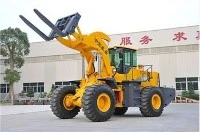
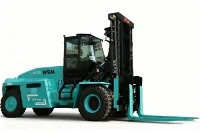
Selecting the appropriate forklift for your specific applications is crucial. An over - sized or under - sized forklift can lead to increased energy consumption and wear and tear. For example, if you mostly handle light loads in a confined space, a smaller electric forklift may be more cost - effective than a large diesel - powered one. On the other hand, for heavy outdoor lifting tasks, a 25t Diesel Forklift For Sale or a Rough Terrain Forklift might be the better choice. By accurately assessing your load capacity requirements, operating environment (indoor or outdoor), and lift height needs, you can avoid overspending on unnecessary features and reduce long - term operating costs.
2. Optimize Fuel or Energy Efficiency
- Diesel and Gasoline Forklifts:
- Regularly maintain the engine and fuel system. A well - tuned engine burns fuel more efficiently. This includes changing the air filters, fuel filters, and spark plugs (for gasoline engines) at the recommended intervals.
- Train operators to use the forklift in an energy - efficient manner. For example, encourage them to avoid unnecessary idling. Idling not only wastes fuel but also contributes to increased engine wear.
- Use fuel additives that can improve fuel combustion and reduce emissions. Some additives can clean the fuel injectors, which can lead to better fuel economy.
- Electric Forklifts:
- Ensure that the battery is properly maintained. This includes regular charging, checking the water levels in lead - acid batteries (if applicable), and avoiding over - discharging. An under - maintained battery will have a shorter lifespan and require more frequent charging, increasing electricity costs.
- Implement a battery management system. This can help optimize the charging process, extend battery life, and reduce energy consumption. For example, some systems can prevent over - charging or charge the battery at an optimal rate based on its state of charge.
3. Implement a Preventive Maintenance Program
- Regular Inspections: Conduct daily pre - shift inspections of the forklift. Operators should check for any visible damage, leaks, and proper functioning of all controls. This can help identify minor issues before they turn into major problems.
- Scheduled Maintenance: Follow the manufacturer's recommended maintenance schedule. This includes oil changes, lubrication, and component replacements. For instance, changing the hydraulic fluid at the appropriate intervals can prevent premature wear of the hydraulic system, which is a critical part of the forklift's operation.
- Keep Maintenance Records: Maintain detailed records of all maintenance activities. This can help you track the performance of the forklift over time, identify recurring issues, and determine the optimal time for major component replacements. Good record - keeping can also be useful for warranty claims.
4. Train Operators Properly
- Safety and Efficiency Training: Provide comprehensive training to all forklift operators. This should cover safety procedures, proper operating techniques, and load handling. Well - trained operators are less likely to cause accidents, which can result in costly repairs and downtime.
- Cost - Conscious Behavior: Educate operators on the impact of their actions on operating costs. For example, teach them how to use the forklift's features effectively to save energy, such as using the regenerative braking system on electric forklifts to recharge the battery.
- Continuous Training: Offer regular refresher courses to keep operators updated on the latest safety regulations and best practices. This can also help improve their skills and efficiency over time.
5. Use Forklift Attachments Wisely
- Select Appropriate Attachments: Forklift attachments can increase the versatility of the forklift, but using the wrong attachments can lead to increased wear and tear. For example, using a side - shift attachment when it's not necessary puts additional stress on the mast and hydraulic system.
- Maintain Attachments: Just like the forklift itself, attachments need regular maintenance. Check for any damage or wear and ensure that they are properly installed and adjusted. This can prevent issues such as misalignment, which can cause uneven loading and damage to the forklift and the load.
6. Optimize Forklift Fleet Size
- Assess Workload: Analyze your daily and seasonal workloads to determine the optimal number of forklifts required. Having too many forklifts in the fleet can lead to under - utilization and increased costs, while having too few can result in inefficiencies and potential overtime costs.
- Share Forklifts: If possible, share forklifts between different departments or shifts. This can increase the utilization rate of each forklift and reduce the overall number of forklifts needed. For example, a warehouse and a manufacturing department in the same company can share a few forklifts during different times of the day.
7. Consider Forklift Rental or Leasing
- Short - Term Needs: If you have short - term or seasonal requirements, renting a forklift can be a cost - effective option. You don't have to worry about the upfront purchase cost, maintenance, and storage of the forklift when it's not in use.
- Long - Term Leasing: Leasing a forklift can also be beneficial in some cases. It allows you to use the latest forklift models with advanced features without a large capital investment. Leasing agreements often include maintenance services, which can reduce your overall maintenance costs.
8. Monitor and Analyze Forklift Usage
- Telematics Systems: Install telematics systems on your forklifts. These systems can collect data on forklift usage, such as operating hours, speed, and fuel consumption. By analyzing this data, you can identify areas where improvements can be made, such as reducing unnecessary high - speed operation or optimizing routes within the warehouse.
- Performance Metrics: Establish performance metrics for your forklift fleet, such as cost per hour of operation, fuel efficiency, and maintenance costs. Regularly monitor these metrics and compare them against industry benchmarks. This can help you identify trends and take proactive measures to reduce costs.
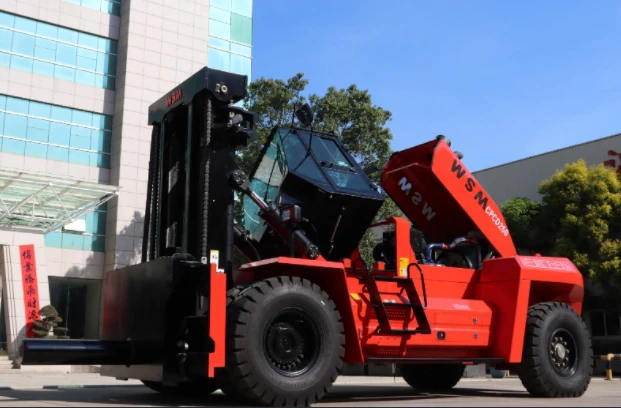
Reducing the operating costs of a forklift truck requires a comprehensive approach that includes proper selection, efficient operation, regular maintenance, and effective management. As a forklift truck supplier, we are committed to helping our customers make informed decisions and implement cost - saving strategies. Whether you are in need of a 25t Diesel Forklift For Sale, a Rough Terrain Forklift, or a 5 Tons Forklift, we can provide you with the right equipment and support to optimize your operating costs. If you are interested in discussing your forklift needs or learning more about our products and services, we encourage you to contact us for a consultation.

References
- Forklift Operator's Manuals from various manufacturers
- Industry research reports on forklift operations and cost management.
- Occupational Safety and Health Administration (OSHA) guidelines on forklift safety and maintenance.