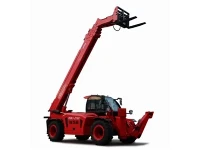
Maintaining forklift truck attachments is crucial for keeping your equipment in top - notch condition and ensuring a safe and efficient working environment. As a forklift truck supplier, I've seen firsthand how a well - maintained attachment can significantly extend the lifespan of your forklift and boost productivity. So, let's dig into how you can maintain these attachments effectively.


Regular Visual Inspections
The first step in maintaining forklift truck attachments is conducting regular visual inspections. This should be done before each use and at least once a week thoroughly. You're looking for any signs of wear and tear such as cracks, bends, or excessive rust. Check the forks for any visible damage; uneven wear can cause the load to shift, which is a major safety hazard.
For instance, if you've got a set of forks on your Small Forklift, examine the tips for any signs of chipping or deformation. Look at the heel and the shank of the forks, as these areas are prone to stress fractures. If you notice any issues, it's better to take the attachment out of service right away and have it inspected by a professional.
The mounting points of the attachment are also critical areas to inspect. Make sure the bolts and pins are tight and in good condition. Loose connections can lead to the attachment detaching during operation, which is extremely dangerous.
Lubrication
Proper lubrication is like giving your forklift attachments a dose of vital energy. It reduces friction, which in turn lowers the risk of wear and tear on moving parts. Different attachments have different lubrication requirements.
For hydraulic attachments, use the recommended hydraulic fluid. Check the fluid level regularly, and if it's low, top it up with the right type of fluid. Over - time, the fluid can break down and become less effective, so make sure to change it as per the manufacturer's guidelines.
Pivot points, such as those on a rotator or a clamp, should be lubricated with a high - quality grease. Apply grease at regular intervals to ensure smooth movement. You can use a grease gun to apply the grease evenly. Failing to lubricate these parts can lead to binding, which reduces the attachment's functionality and can cause premature damage.
Cleaning
Keeping your forklift truck attachments clean is often overlooked but is essential for their longevity. Dirt, debris, and chemicals can accumulate on the attachments, causing corrosion and other forms of damage.
After each use, take a few minutes to clean the attachment. Use a brush to remove any loose dirt, and then wipe it down with a clean cloth. If the attachment has been exposed to chemicals or other corrosive substances, make sure to wash it thoroughly with water and a mild detergent.
For attachments used in outdoor settings, such as those on a Forklift 10 Ton 15 Ton 25 Ton 36 Ton Rough Terrain Diesel Wheeled Lt Off - road Forklift, extra care is needed. The rough terrain can kick up a lot of mud and dust. Wash the attachment as soon as possible after use to prevent the dirt from hardening and causing scratches or corrosion.
Calibration
Some forklift truck attachments, like weighing scales, need to be calibrated regularly to ensure accurate readings. Calibration is the process of adjusting the attachment so that it provides precise measurements.
If you're using a scale attachment on your Warehouse Forklift to weigh loads, follow the manufacturer's instructions for calibration. Usually, this involves using a known weight to check the accuracy of the scale and making adjustments if necessary. Incorrect calibration can lead to overloading the forklift, which is not only dangerous but can also cause damage to the equipment.
Storage
Proper storage of forklift truck attachments when they're not in use can also contribute to their maintenance. Store the attachments in a dry, clean area. If possible, keep them off the ground to prevent rusting.
For larger attachments, use a storage rack or a stand to keep them in an upright position. This helps prevent warping or bending. Cover the attachments with a protective tarp to shield them from dust, moisture, and other environmental factors.
Training
Last but not least, make sure your forklift operators are well - trained in using and maintaining the attachments. A well - trained operator is more likely to notice early signs of problems and take the necessary steps to address them.
Provide regular training sessions on attachment maintenance, safety procedures, and proper usage. Encourage operators to report any issues they notice immediately. This way, you can catch problems before they turn into major headaches.
In conclusion, maintaining forklift truck attachments isn't rocket science, but it does require consistent effort. By following these steps, you can keep your attachments in great shape, reduce downtime, and improve the overall efficiency of your operations.
If you're in the market for high - quality forklift trucks or need more advice on attachment maintenance, don't hesitate to reach out. We're here to help you make the best choices for your business. Whether you're looking for a Small Forklift, a heavy - duty Forklift 10 Ton 15 Ton 25 Ton 36 Ton Rough Terrain Diesel Wheeled Lt Off - road Forklift, or a Warehouse Forklift, we've got you covered. Contact us today to start a discussion about your specific needs and how we can assist you.
References
- Forklift Safety and Maintenance Guide, Industry Standards Association
- Manufacturer's Manuals for Forklift Truck Attachments