Chemical spills from forklift trucks can pose significant risks to both the environment and human health. As a reputable forklift truck supplier, we understand the importance of handling these spills safely and effectively. In this blog post, we will provide you with comprehensive guidance on how to handle chemical spills from forklift trucks safely.
Understanding the Risks of Chemical Spills
Before delving into the details of spill handling, it is crucial to understand the potential risks associated with chemical spills from forklift trucks. Forklifts are often used in industrial settings where they may come into contact with various chemicals, such as fuels, lubricants, and cleaning agents. A spill can occur due to a variety of reasons, including equipment failure, operator error, or improper handling.
The consequences of a chemical spill can be severe. Chemicals can contaminate soil, water sources, and air, leading to environmental damage. They can also pose health risks to workers and the general public, causing skin irritation, respiratory problems, and even long - term health effects. Therefore, it is essential to have a proper plan in place to handle spills promptly and safely.
Preparing for Chemical Spills
Training
One of the most important steps in preparing for chemical spills is to provide comprehensive training to forklift operators. Operators should be trained on the proper handling of chemicals, the use of personal protective equipment (PPE), and the procedures for responding to spills. They should also be aware of the potential hazards associated with different chemicals and how to identify them.
Spill Kits
Having the right spill kits on hand is crucial for effective spill response. Spill kits should be easily accessible and contain all the necessary materials for cleaning up spills, such as absorbents, gloves, goggles, and disposal bags. The type of spill kit required will depend on the types of chemicals used in the workplace. For example, a spill kit for oil spills will be different from one for acid spills.
Emergency Response Plan
An emergency response plan should be developed and implemented to ensure a coordinated and effective response to chemical spills. The plan should include procedures for notifying relevant personnel, evacuating the area if necessary, and containing and cleaning up the spill. It should also outline the roles and responsibilities of each individual involved in the response.
Handling Chemical Spills
Immediate Actions
When a chemical spill occurs, the first step is to ensure the safety of all personnel in the area. The operator should immediately stop the forklift and turn off the engine to prevent further spills. They should then evacuate the area and notify the appropriate personnel, such as the supervisor or the safety officer.
Containment
The next step is to contain the spill to prevent it from spreading. This can be done by using absorbent materials, such as spill pads or booms, to soak up the chemical. The absorbent materials should be placed around the perimeter of the spill to prevent it from flowing into drains or other areas.

Clean - up
Once the spill has been contained, the clean - up process can begin. The operator should wear appropriate PPE, such as gloves, goggles, and a respirator, to protect themselves from the chemical. The absorbent materials should be carefully removed and placed in a sealed container for proper disposal. The area should then be cleaned thoroughly with a suitable cleaning agent to remove any remaining chemical residue.
Disposal
Proper disposal of the spilled chemical and the contaminated absorbent materials is essential to prevent environmental pollution. The materials should be disposed of in accordance with local regulations and guidelines. In some cases, the chemical may need to be treated before disposal.
Our Forklift Truck Offerings
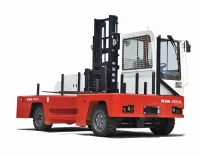
As a forklift truck supplier, we offer a wide range of forklift trucks to meet the diverse needs of our customers. Our Counterbalance Forklift is a popular choice for many industrial applications. It is designed to provide excellent stability and maneuverability, making it suitable for handling heavy loads in tight spaces.
Our Off - Road Pallet Truck is ideal for outdoor use. It is built to withstand rough terrain and can handle heavy pallets with ease. This truck is perfect for industries such as construction, agriculture, and logistics.
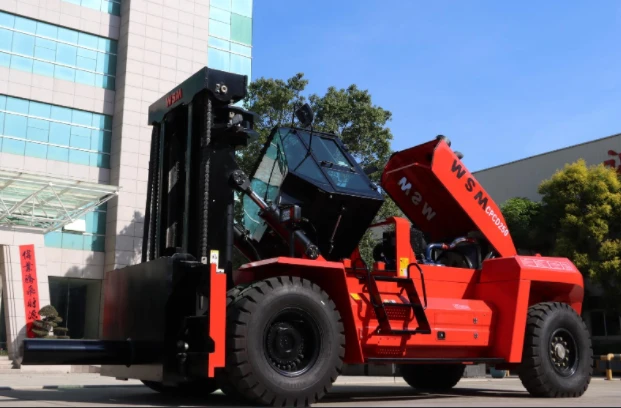
For customers who require a high - capacity forklift, our 25t Diesel Forklift For Sale is an excellent option. It is powered by a diesel engine, providing the power and performance needed to handle large and heavy loads.
Contact Us for Purchase and Consultation
If you are in the market for a forklift truck or need more information on how to handle chemical spills safely, we are here to help. Our team of experts can provide you with detailed product information, advice on spill prevention and response, and assistance with purchasing the right forklift for your needs.
We understand that every business has unique requirements, and we are committed to providing customized solutions to meet those needs. Whether you are a small business or a large industrial enterprise, we have the expertise and resources to support you.
References
- OSHA (Occupational Safety and Health Administration). "Hazard Communication Standard." OSHA.gov.
- EPA (Environmental Protection Agency). "Spill Prevention, Control, and Countermeasure (SPCC) Rule." EPA.gov.
- National Fire Protection Association (NFPA). "NFPA 400: Hazardous Materials Code." NFPA.org.