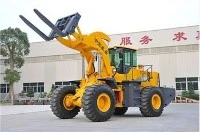
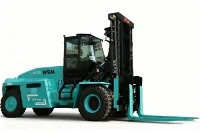
As a seasoned supplier of Stone Wheel Loaders, I understand the critical role that an accurately calibrated weighing system plays in the efficiency and productivity of these heavy - duty machines. A well - calibrated weighing system ensures that the loader can handle the right amount of stone materials, reducing waste, improving safety, and enhancing overall operational performance. In this blog, I'll share some in - depth insights on how to calibrate the weighing system of a Stone Wheel Loader.


Understanding the Importance of Calibration
Before delving into the calibration process, it's essential to grasp why calibration is so crucial. In the stone handling industry, precision is key. An inaccurate weighing system can lead to overloading or underloading of the loader. Overloading not only puts excessive stress on the machine's components, leading to premature wear and tear, but also poses a significant safety risk on the worksite. Underloading, on the other hand, means that the loader is not operating at its full capacity, resulting in inefficient use of time and resources.
Pre - calibration Checks
- Visual Inspection:
- Start by conducting a thorough visual inspection of the weighing system. Check for any visible signs of damage, such as cracks, loose wires, or corroded components. Any damaged parts should be replaced before proceeding with the calibration.
- Inspect the load cells, which are the key components responsible for measuring the weight. Ensure that they are clean and free from debris, as dirt and dust can interfere with their accuracy.
- Leveling the Loader:
- The Stone Wheel Loader must be parked on a level surface. An uneven surface can cause inaccurate weight readings. Use a spirit level to confirm that the loader is perfectly horizontal. If the surface is not level, adjust the loader's position or use leveling pads to achieve a flat base.
- Checking the Weighing Display Unit:
- Power on the weighing display unit and check for any error messages. Make sure that the display is functioning correctly and that all the buttons are responsive. If there are any issues with the display unit, it may need to be repaired or replaced.
Calibration Process
- Zero Calibration:
- Zero calibration is the first step in the process. With the loader's bucket empty, press the "zero" or "tare" button on the weighing display unit. This sets the current weight as zero, compensating for the weight of the bucket itself.
- Wait for the display to stabilize. The reading should show zero. If it doesn't, there may be an issue with the load cells or the wiring. Check the connections and repeat the zero calibration process.
- Span Calibration:
- Span calibration involves using a known weight to adjust the weighing system's accuracy. Select a standard weight that is close to the maximum capacity of the loader. For example, if the loader has a maximum capacity of 5 tons, use a 4 - ton or 5 - ton standard weight.
- Carefully place the standard weight in the loader's bucket. Make sure that the weight is evenly distributed in the bucket to avoid any uneven stress on the load cells.
- On the weighing display unit, enter the known weight value. Then, follow the manufacturer's instructions to perform the span calibration. This usually involves adjusting certain parameters until the display shows the correct weight of the standard weight.
- Repeat the process a few times to ensure accuracy. Each time, remove and re - place the standard weight, and re - calibrate if necessary.
- Multiple - Point Calibration:
- For even greater accuracy, multiple - point calibration can be performed. This involves using several different standard weights at various points along the loader's capacity range. For example, you can use weights of 1 ton, 3 tons, and 5 tons.
- Place each weight in the bucket one by one and follow the span calibration process for each weight. This helps to ensure that the weighing system is accurate across the entire range of weights that the loader is likely to handle.
Post - calibration Verification
- Test Weighing:
- After calibration, perform test weighings using different weights. Use weights that are representative of the actual loads that the Stone Wheel Loader will handle on the worksite.
- Compare the weighing system's readings with the known weights. The difference between the measured weight and the actual weight should be within an acceptable tolerance. Most manufacturers specify a tolerance range, such as ± 1% or ± 2%.
- Long - Term Monitoring:
- Even after successful calibration, it's important to monitor the weighing system's performance over time. Regularly check the accuracy of the readings by using test weights. If you notice any significant deviations from the calibrated values, re - calibrate the system.
Related Products
In addition to our high - quality Stone Wheel Loaders, we also offer a range of related products such as the Wheel Load Telehandler, Wheel Backhoe Loader Underground Tunnel Forklift Loader Hydraulic Loader, and Special Wheel Loader. These products are designed to meet the diverse needs of the stone handling and construction industries.
Contact Us for Purchase and Consultation
If you're in the market for a reliable Stone Wheel Loader or need more information about weighing system calibration, we're here to help. Our team of experts can provide you with detailed product specifications, pricing, and support. Whether you're a small - scale stone quarry or a large - scale construction company, we have the right solutions for you. Don't hesitate to reach out to us for a purchase consultation.
References
- Manufacturer's Manuals for Stone Wheel Loaders
- Industry Standards for Weighing System Calibration
- Technical Papers on Heavy - Duty Equipment Calibration