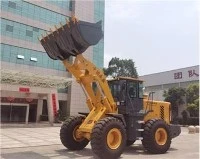
Hey there! As a supplier of Small Wheel Loader, I've seen a lot of folks scratching their heads over how to adjust the bucket of a small wheel loader. It's not as complicated as it might seem at first glance, and I'm here to walk you through the process step by step.
Understanding Your Small Wheel Loader's Bucket
Before we dive into the adjustment process, it's important to understand the role of the bucket on a small wheel loader. The bucket is the workhorse of the machine, used for digging, loading, and transporting materials like sand, gravel, or soil. It's attached to the loader arms and can be tilted and raised or lowered to perform different tasks.
The bucket's adjustment is crucial for efficient operation. If it's not adjusted correctly, you'll face problems like uneven loading, difficulty in dumping materials, and increased wear and tear on the machine.


Tools You'll Need
To adjust the bucket of your small wheel loader, you'll need a few basic tools. These include a socket wrench set, a torque wrench, a pry bar, and a measuring tape. Make sure you have these tools handy before you start the adjustment process.
Step-by-Step Guide to Adjusting the Bucket
Step 1: Safety First
Before you start working on the loader, make sure it's parked on a flat, stable surface. Engage the parking brake and turn off the engine. This will prevent the loader from moving accidentally and keep you safe during the adjustment process.
Step 2: Inspect the Bucket
Take a close look at the bucket for any signs of damage or wear. Check the cutting edge for excessive wear, and make sure the bucket is securely attached to the loader arms. If you notice any issues, address them before proceeding with the adjustment.
Step 3: Adjust the Bucket Tilt
The bucket tilt is adjusted using the hydraulic cylinders. Start by loosening the lock nuts on the cylinder rods. Then, use the pry bar to move the cylinder rod in or out to adjust the tilt angle of the bucket. You can use the measuring tape to ensure the tilt angle is correct. Once you're satisfied with the adjustment, tighten the lock nuts using the torque wrench.
Step 4: Adjust the Bucket Height
To adjust the bucket height, you'll need to adjust the lift arms. First, locate the adjustment bolts on the lift arms. Loosen these bolts using the socket wrench. Then, use the pry bar to move the lift arms up or down to adjust the bucket height. Again, use the measuring tape to ensure the height is correct. Once the adjustment is made, tighten the bolts using the torque wrench.
Step 5: Check the Bucket Alignment
After adjusting the tilt and height, it's important to check the bucket alignment. Stand in front of the loader and look at the bucket from a distance. The bucket should be level and parallel to the ground. If it's not, make small adjustments to the tilt and height until the alignment is correct.
Step 6: Test the Adjustment
Once you've completed the adjustment, start the engine and test the bucket. Raise and lower the bucket, tilt it forward and backward, and try loading and unloading some materials. Pay attention to how the bucket performs and make any final adjustments if necessary.
Tips for Maintaining Your Bucket
- Regular Cleaning: After each use, clean the bucket to remove any dirt, debris, or material buildup. This will prevent corrosion and extend the life of the bucket.
- Lubrication: Keep the hydraulic cylinders and pivot points well-lubricated to ensure smooth operation.
- Inspect Regularly: Regularly inspect the bucket for signs of wear and damage. Replace any worn or damaged parts as soon as possible.
Why Choose Our Small Wheel Loaders
At our company, we're committed to providing high-quality Small Wheel Loader that are reliable and easy to operate. Our loaders are equipped with advanced hydraulic systems and durable buckets that can handle a variety of tasks.
We also offer a range of other Diesel Wheel Loader and Sand Loader options to meet your specific needs. Our team of experts is always available to provide support and guidance on operating and maintaining your loader.
Contact Us for Purchase and Consultation
If you're in the market for a small wheel loader or have any questions about bucket adjustment or maintenance, don't hesitate to reach out to us. We're here to help you find the right loader for your needs and ensure you get the most out of your investment.
References
- Small Wheel Loader Operation Manual
- Hydraulic System Maintenance Guide