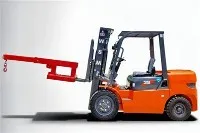
As summer temperatures soar, many loaders still need to operate outdoors for extended periods. Especially in construction sites, mines, and ports, the equipment is often exposed to the scorching sun all day. Many operators believe that the equipment is sturdy and durable, and that wind and sun are unimportant. However, prolonged exposure to high temperatures and direct sunlight will significantly reduce the equipment's performance and lifespan.
- The engine is the core component of the loader and is the first to be affected by high temperatures. In hot weather, the engine itself generates a lot of heat. If dust or debris accumulates on the radiator surface, the heat dissipation efficiency will decrease significantly. Over time, this can lead to overheating, reduced power, and in severe cases, even machine shutdown. Engine overheating is a frequently occurring problem among common loader malfunctions.
- Besides the engine, the hydraulic system is also susceptible to damage from high temperatures. Hydraulic oil tends to thin in high temperatures. If the equipment operates continuously for extended periods, the hydraulic system temperature will rise continuously. This will slow down the equipment's operation and may cause weakness, vibration, or sluggish response. Over time, this will accelerate the aging of hydraulic seals, increasing the risk of oil leaks.
- The cab will also be affected by prolonged exposure to sunlight. In summer, the temperature in a closed cab rises very quickly, affecting not only operational comfort but also causing driver fatigue. If some equipment is left in the sun for extended periods, the seats, wiring, and rubber components will age faster. Many older machines experience aging wiring and reduced air conditioning efficiency, which are often related to prolonged exposure to high temperatures.
- High temperatures can also negatively impact overall machine performance and shorten equipment lifespan. Changes in the condition of lubricating oil, hydraulic oil, and coolant under high temperatures accelerate equipment wear. If maintenance is neglected, small problems can gradually escalate into major malfunctions, leading to increasingly higher repair costs.
So how can we reduce the impact of high temperatures on loaders in summer?
It's actually not complicated. Checking the coolant and hydraulic oil levels before starting work each day, regularly cleaning the radiator, and avoiding prolonged continuous full-load operation are all very effective methods. If possible, allowing the equipment to rest during the hottest part of the day can also significantly reduce the risk of malfunctions.
Summer maintenance of outdoor equipment is not a trivial matter. Regular inspections and maintenance can reduce unexpected situations and allow loaders to operate smoothly and efficiently in hot weather.