

Hey there! As a supplier of diesel forklifts, I often get asked about the little things that come with these powerful machines. One question that pops up quite a bit is, "What is the seat belt on a diesel forklift for?" Well, let's dive right into it.
First off, safety is the name of the game when it comes to operating any kind of heavy machinery, and diesel forklifts are no exception. The seat belt on a diesel forklift serves as a crucial safety feature, and here's why.
Keeping the Operator Secure
When a forklift is in motion, it can experience sudden stops, starts, or turns. Without a seat belt, an operator could be thrown from their seat. Imagine you're driving a forklift and you have to make a sharp turn to avoid an obstacle. If you're not strapped in, the force of the turn could send you flying out of the seat. That's a recipe for some serious injuries, like broken bones, head trauma, or even worse.
The seat belt acts like an anchor, keeping you firmly in place. It distributes the forces acting on your body during sudden movements evenly across your torso, reducing the risk of being ejected from the forklift. This is especially important when you're working in a busy warehouse or on a construction site where there are lots of things going on around you.
Preventing Crush Injuries
Another big reason for the seat belt is to prevent crush injuries. Forklifts can tip over, either forward or to the side, especially if they're overloaded or being operated on uneven ground. When a forklift tips, the operator is at risk of being crushed between the forklift and the ground or other objects.
A properly fastened seat belt can keep you inside the protective cage of the forklift, known as the overhead guard. This guard is designed to protect you from falling objects and to provide some protection in case of a tip-over. By staying inside the guard, you're much less likely to be crushed by the forklift itself.
Meeting Safety Regulations
There are also legal reasons for wearing a seat belt on a diesel forklift. Most countries and regions have safety regulations in place that require operators to wear seat belts when operating forklifts. These regulations are in place to protect workers and to ensure that employers are providing a safe working environment.
As a diesel forklift supplier, I always make sure to emphasize the importance of following these regulations. Not only is it the right thing to do, but it can also save you from some serious legal trouble. If an operator gets injured because they weren't wearing a seat belt, the employer could be held liable, which could result in hefty fines and legal fees.
Types of Forklifts and Seat Belt Use
Now, let's talk about different types of diesel forklifts and how seat belts play a role in each.
Rough Terrain Forklift
Rough terrain forklifts are designed to operate on uneven and rough surfaces, like construction sites or outdoor yards. These forklifts are more likely to experience sudden jolts and movements due to the terrain. That's why wearing a seat belt is even more important when using a rough terrain forklift. The seat belt helps to keep the operator stable and secure, even when the forklift is bouncing around on bumpy ground.
Modern Diesel Forklift
Modern diesel forklifts are equipped with advanced safety features, but the seat belt remains a fundamental part of the safety system. These forklifts are often used in warehouses and distribution centers, where they need to move quickly and efficiently. With all the traffic and tight spaces, there's a higher risk of collisions and sudden stops. The seat belt helps to protect the operator in these situations.
Counter Balanced Forklift Four Wheel Drive Truck
Counter balanced forklifts with four-wheel drive are known for their stability and maneuverability. However, they can still tip over if not operated correctly. The seat belt is essential for keeping the operator safe in case of a tip-over. It also helps to keep you in place during sharp turns and quick stops, which are common when using a four-wheel drive forklift.
Training and Awareness
As a supplier, I believe that proper training and awareness are key to ensuring that operators use the seat belt correctly. When we sell a diesel forklift, we always provide training on how to operate the machine safely, including the importance of wearing a seat belt.
We also encourage employers to provide ongoing training and reminders to their operators. This can include safety meetings, posters, and regular inspections to make sure that everyone is following the rules. By creating a culture of safety, we can reduce the risk of accidents and injuries in the workplace.
Conclusion
So, there you have it. The seat belt on a diesel forklift is not just a piece of equipment; it's a vital safety feature that can save lives. Whether it's keeping you secure during sudden movements, preventing crush injuries, or meeting safety regulations, wearing a seat belt is a must when operating a diesel forklift.

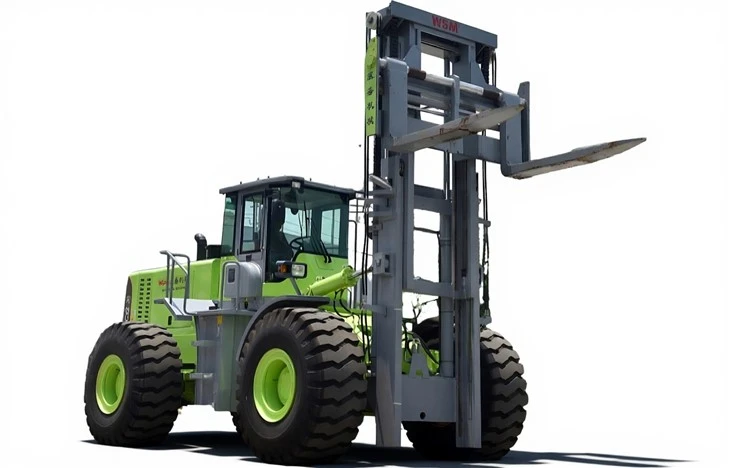
If you're in the market for a diesel forklift, we're here to help. We offer a wide range of high-quality forklifts, including Rough Terrain Forklifts, Modern Diesel Forklifts, and Counter Balanced Forklift Four Wheel Drive Trucks. Our team of experts can help you find the right forklift for your needs and provide you with all the training and support you need to operate it safely.
If you have any questions or would like to discuss your forklift requirements, don't hesitate to get in touch. We're always happy to have a chat and help you make the right decision.
References
- Occupational Safety and Health Administration (OSHA) - Forklift Safety Standards
- International Organization for Standardization (ISO) - Forklift Safety Guidelines


