

What is the operating weight of a Diesel Wheel Loader?
As a diesel wheel loader supplier, I often encounter customers who are curious about the operating weight of these powerful machines. Understanding the operating weight is crucial as it impacts various aspects of the loader's performance, transportation, and overall suitability for different tasks.
The operating weight of a diesel wheel loader refers to the total weight of the machine when it is fully equipped and ready for operation. This includes the weight of the loader itself, the engine, the fuel, the hydraulic fluid, the operator, and any attachments that are installed. The operating weight is an important specification because it affects the loader's stability, traction, and lifting capacity.

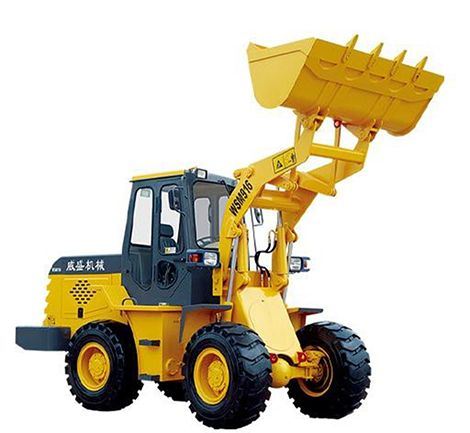
Factors Affecting Operating Weight
- Loader Size and Model: Larger wheel loaders generally have a higher operating weight. For example, a small - sized diesel wheel loader designed for light - duty tasks such as landscaping may have an operating weight of around 3,000 to 5,000 kilograms. On the other hand, a large - scale loader used in mining or heavy construction can weigh upwards of 30,000 kilograms or more. Different models within the same size category can also vary in weight depending on their design features and intended use.
- Attachments: The type of attachments used with the wheel loader significantly impacts its operating weight. Common attachments include buckets, forks, grapples, and snow plows. A standard bucket may add a few hundred kilograms to the weight, while more specialized or larger - capacity attachments can add several thousand kilograms. For instance, a heavy - duty rock bucket with reinforced teeth will be heavier than a standard dirt bucket.
- Fluid Levels: The amount of fuel, hydraulic fluid, and coolant in the loader affects its weight. A full fuel tank can add a substantial amount of weight, especially in larger loaders with large fuel capacities. Similarly, the hydraulic system requires a certain volume of fluid to operate, and the weight of this fluid must be considered when calculating the operating weight.
Importance of Operating Weight
- Stability: The operating weight plays a vital role in ensuring the stability of the wheel loader. A properly weighted loader is less likely to tip over during operation, especially when lifting heavy loads or working on uneven terrain. For example, when a loader is lifting a large amount of material at the end of its boom, the weight distribution and the overall operating weight determine whether the machine can maintain its balance.
- Traction: The weight of the loader affects its traction on the ground. A heavier loader generally has better traction, which is essential for tasks such as pushing heavy loads or working on slippery surfaces. However, too much weight can also cause excessive ground pressure, leading to damage to the surface or reduced maneuverability.
- Lifting Capacity: There is a direct relationship between the operating weight and the lifting capacity of the wheel loader. A loader with a higher operating weight can typically lift heavier loads. This is because the weight of the machine provides the necessary counterbalance to prevent it from tipping backward when lifting.
Operating Weight and Transportation
The operating weight of a diesel wheel loader also has implications for transportation. When moving the loader from one job site to another, it is important to ensure that the transport vehicle can handle the weight. Overloading a transport truck can lead to safety hazards and legal issues. Additionally, some roads and bridges have weight restrictions, and the operating weight of the loader must be considered to ensure compliance.
Examples of Operating Weights in Different Applications
- Landscaping and Small - Scale Construction: In landscaping and small - scale construction projects, a compact diesel wheel loader with an operating weight of around 4,000 - 6,000 kilograms is often used. These loaders are highly maneuverable and can easily navigate through tight spaces. They are typically equipped with standard buckets for tasks such as moving soil, gravel, or mulch. You can check out our 4WD Tractor Loader On Dock for more information on loaders suitable for such applications.
- Port Operations: Port wheel loaders are designed to handle large volumes of cargo. These loaders have a much higher operating weight, usually ranging from 10,000 to 20,000 kilograms or more. They are equipped with large - capacity buckets or specialized attachments for handling containers, bulk materials, and other heavy items. Our Port Wheel Loader is a great option for port - related tasks.
- Railway Construction and Maintenance: Railway wheel loaders are used for tasks such as ballast handling, track maintenance, and loading and unloading materials at railway stations. These loaders typically have an operating weight in the range of 8,000 to 15,000 kilograms. They are designed to be stable and maneuverable on railway tracks and adjacent areas. You can learn more about our Railway Wheel Loader for specific railway - related applications.
Determining the Right Operating Weight for Your Needs
When choosing a diesel wheel loader, it is essential to consider the specific requirements of your project. If you are working on a small - scale job with limited space and lighter loads, a loader with a lower operating weight may be more suitable. On the other hand, for large - scale construction, mining, or heavy - duty material handling tasks, a loader with a higher operating weight will be necessary.
It is also important to consult with a professional or an experienced supplier like us. We can provide you with detailed information about the operating weights of different models and help you select the loader that best meets your needs.
Contact Us for Your Diesel Wheel Loader Needs
If you are in the market for a diesel wheel loader and need more information about operating weights or other specifications, we are here to assist you. Our team of experts can answer all your questions and help you make an informed decision. Whether you are looking for a loader for a small - scale project or a large - scale industrial application, we have a wide range of options to choose from. Please feel free to reach out to us to start the procurement discussion.
References
- "Wheel Loader Handbook" - Industry - specific publication on wheel loader design and operation.
- Manufacturer's specifications for various diesel wheel loader models.


