

As a supplier of small wheel loaders, I've seen firsthand how crucial it is to maintain every part of these machines, especially the hydraulic hoses. These hoses are like the lifelines of a small wheel loader, carrying hydraulic fluid to power the various functions of the equipment. So, let's dive into how you can keep those hydraulic hoses in top - notch condition.

Understanding Hydraulic Hoses in Small Wheel Loaders
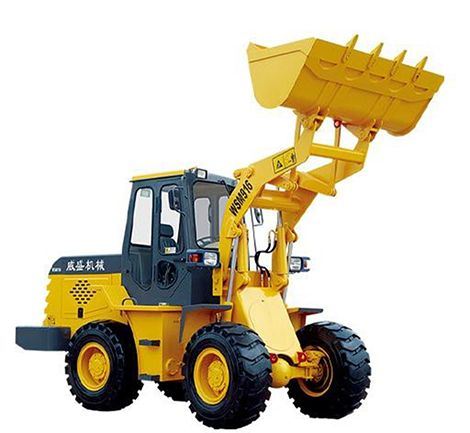
First things first, let's quickly go over what hydraulic hoses do. In a small wheel loader, hydraulic hoses transmit high - pressure hydraulic fluid from the pump to the cylinders that control the loader's movement, like raising and lowering the bucket or tilting it. They're made up of multiple layers including an inner tube, reinforcement layers, and an outer cover. But over time, they can wear out and cause problems if not properly maintained.
Regular Inspections
One of the most basic yet important steps in maintaining hydraulic hoses is regular inspections. You should visually check the hoses for any signs of damage every time you use the small wheel loader. Look for things like cuts, abrasions, bulges, or leaks. Cuts or abrasions on the outer cover can expose the inner layers to dirt and moisture, which can lead to corrosion. A bulge in the hose is a big red flag as it often means the inner tube is failing and could burst at any moment.
If you notice any leaks, don't ignore them. Even a small leak can lead to a loss of hydraulic pressure, which affects the performance of your wheel loader. And if the leak is severe, it can cause the wheel loader to stop working altogether.
Keep Them Clean
Dirt and debris can be a major enemy of hydraulic hoses. When dirt gets on the hoses, it can act like sandpaper and wear down the outer cover. To prevent this, make sure to keep the hoses clean. You can use a mild detergent and a soft brush to gently clean the hoses. Avoid using harsh chemicals as they can damage the rubber material of the hoses.
Also, when the small wheel loader is not in use, try to keep it in a clean and dry environment. This reduces the chances of the hoses getting dirty or corroded.
Proper Installation
The way the hydraulic hoses are installed matters a lot. Incorrect installation can put unnecessary stress on the hoses, leading to premature failure. When installing new hoses, make sure they are properly routed. Avoid sharp bends or kinks as they can restrict the flow of hydraulic fluid and cause internal damage to the hoses.
The fittings also need to be tightened correctly. If they're too loose, it can cause leaks. But if they're over - tightened, it can damage the fittings and the hoses themselves.
Temperature Management
Hydraulic hoses are sensitive to temperature changes. Extreme heat can cause the rubber in the hoses to harden and crack, while extreme cold can make it brittle. In hot weather, try to avoid continuous heavy use of the small wheel loader for long periods. This can cause the hydraulic fluid to overheat, which in turn can damage the hoses.
If you're working in cold weather, it's a good idea to warm up the wheel loader before using it. This allows the hydraulic fluid to reach the right viscosity and reduces stress on the hoses.
Replace Worn - Out Hoses
No matter how well you maintain them, hydraulic hoses have a limited lifespan. Keep track of the age and usage of your hoses. If a hose shows signs of significant wear or damage, don't hesitate to replace it. Using a worn - out hose can be risky and could lead to costly repairs or even accidents.
When replacing a hose, make sure to use high - quality replacement parts. As a small wheel loader supplier, I always recommend using OEM (Original Equipment Manufacturer) parts or parts from a trusted supplier.
Different Applications and Their Impact on Hoses
Small wheel loaders are used in various applications, each with its own challenges for the hydraulic hoses.
For example, if you're using a Snow Blade Wheel Loader, the hoses are exposed to cold temperatures and snow. The cold can make the hoses brittle, and the snow can get into small cracks or leaks, causing rust and further damage. So, in this case, proper insulation and regular inspections are even more crucial.
If your small wheel loader is a Port Wheel Loader, it operates in a harsh marine environment. Saltwater and humidity can corrode the hoses quickly. Extra protection in the form of anti - corrosion coatings or covers might be necessary.
A Soil Loader deals with dirt and dust all the time. These particles can get into the hoses and cause internal abrasion. Keeping the hoses clean and having proper filters in the hydraulic system is essential for this type of application.
Training for Operators
It's important to train your operators on hose maintenance. They should know how to recognize the signs of hose damage and understand the importance of proper handling. A well - trained operator can spot a problem early on and prevent it from turning into a major issue.
You can provide them with manuals or conduct short training sessions on a regular basis. This not only helps in maintaining the hydraulic hoses but also improves the overall performance and longevity of the small wheel loader.
The Role of the Hydraulic Fluid
The hydraulic fluid used in the system plays a big part in hose maintenance. Make sure to use the right type of hydraulic fluid recommended by the manufacturer. The wrong fluid can cause chemical reactions with the hoses, leading to degradation.
Also, keep an eye on the fluid level. Low fluid levels can cause the hydraulic pump to work harder, which can increase the pressure in the hoses and potentially cause damage. Regularly check the fluid for contamination and replace it as needed.
Conclusion
Maintaining the hydraulic hoses in a small wheel loader is not a one - time task but an ongoing process. By following these tips on regular inspections, keeping the hoses clean, proper installation, temperature management, and timely replacement of worn - out parts, you can ensure that your small wheel loader runs smoothly and efficiently.
If you're in the market for a small wheel loader or need more advice on hose maintenance or other parts of the machine, don't hesitate to reach out. We're here to help you make the best decisions for your equipment needs and keep your operations running without a hitch.
References
- Manufacturer's manuals for small wheel loaders
- Industry - specific guides on hydraulic system maintenance


