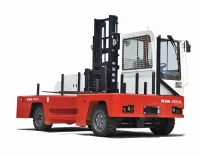
As a reputable supplier of high - performance heavy equipment, I am frequently asked whether a mining wheel loader can be used in wet mining conditions. In this blog post, I'll delve into this question, offering a professional analysis based on industry knowledge and experience.
The Feasibility of Using Mining Wheel Loaders in Wet Mining Conditions
1. Adaptability of the Machine Design
Mining wheel loaders are engineered to handle a wide range of challenging environments. Most modern Mining Wheel Loader models are equipped with robust chassis and components that have a certain level of water - resistance. Their outer casings are typically made of high - strength steel that resists corrosion to some degree. Moreover, the hydraulic systems and electrical components are often sealed to prevent water ingress, which means they can withstand exposure to moisture to a specific extent.
For example, the hydraulic hoses are made of materials that are not only strong but also have a good resistance to water. This allows the loader to operate in conditions where there may be occasional splashes or damp environments. Additionally, the electrical wiring is insulated and protected to avoid short - circuits in wet situations.
2. Traction and Maneuverability
One of the critical aspects of using a mining wheel loader in wet conditions is maintaining proper traction. These loaders are usually equipped with large - diameter tires with deep treads. The deep treads are designed to channel water away from the contact area between the tire and the ground, which helps to reduce the risk of hydroplaning.
In wet mining sites, the ground can become slippery, and traditional vehicles may struggle to move effectively. However, a Mining Wheel Loader has a well - designed four - wheel - drive system that provides better power distribution to the wheels. This helps the loader to maintain stability and move smoothly on wet and muddy terrains, ensuring that it can carry out its loading and transporting tasks without getting stuck easily.
3. Loading and Unloading Functionality
In a wet mining environment, materials such as ores and rocks may become wet and heavy. Mining wheel loaders are built with powerful engines and high - capacity lifting mechanisms. The loading arms are designed to be strong enough to lift and transport large volumes of wet materials. They are also equipped with advanced control systems that allow the operator to precisely control the loading and unloading process.
For instance, the bucket of a mining wheel loader is designed in such a way that it can scoop up wet materials efficiently. The shape and size of the bucket are optimized to minimize spillage during loading and unloading, even when the materials are wet and tend to stick.
Challenges and Considerations
1. Corrosion and Rust
Although mining wheel loaders have some anti - corrosion features, continuous exposure to wet conditions increases the risk of corrosion and rust. Moisture can accelerate the oxidation process, especially on metal parts that are not properly protected. Over time, this can lead to structural damage, reduced component lifespan, and increased maintenance costs.
To mitigate this issue, regular maintenance is crucial. This includes cleaning the loader after each use to remove dirt and moisture, and applying anti - rust coatings to vulnerable areas. Periodic inspections should also be carried out to detect any signs of corrosion early on.
2. Electrical and Hydraulic System Failures
The electrical and hydraulic systems of a mining wheel loader are sensitive to water. If water enters these systems, it can cause short - circuits in the electrical wiring or damage the hydraulic pumps and valves. In a wet mining environment, the risk of water ingress is higher.
To prevent such failures, it is important to check the seals around these systems regularly. Operators should also be trained to notice any signs of abnormal behavior, such as strange noises or reduced performance, which could indicate a problem with the electrical or hydraulic systems.
3. Operator Safety
Wet conditions can create a hazardous working environment for the operators. Slippery walkways and platforms on the loader increase the risk of falls. Visibility can also be reduced due to rain, fog, or the presence of water splashes.


Operators need to be provided with proper safety equipment, such as non - slip boots and safety harnesses. The loader should also be equipped with additional lighting and visibility aids to ensure safe operation in wet conditions.
Specialized Models for Wet Conditions
To better meet the needs of wet mining operations, some manufacturers, including us, offer specialized models of Mining Wheel Loader. These models are designed with enhanced waterproofing features.
For example, the electrical control panels are enclosed in more robust waterproof casings. The air intakes are elevated or designed to prevent water from entering the engine. Specialized coatings are applied to the entire body of the loader to provide better protection against corrosion.
Comparison with Other Loaders
1. Block Wheel Loader
Block Wheel Loader is another type of loader used in the mining industry. While it shares some similarities with the mining wheel loader, it may have different performance characteristics in wet conditions.
Block wheel loaders are often used for handling large blocks of materials. Their design may not be as optimized for wet terrains as the mining wheel loader. They may have a different tire configuration and a less advanced four - wheel - drive system, which can make them less suitable for moving on slippery wet ground.
2. Wheel Backhoe Loader Underground Tunnel Forklift Loader Hydraulic Loader
The Wheel Backhoe Loader Underground Tunnel Forklift Loader Hydraulic Loader has its own unique features. It is often used in underground tunnel mining, where the environment can be wet. However, compared to the mining wheel loader, it may have a different focus in terms of functionality.
The wheel backhoe loader is more suitable for tasks that require digging and back - hoeing in addition to loading. In wet conditions, its digging capabilities may be affected by the soft and muddy ground. The mining wheel loader, on the other hand, is more focused on efficient loading and transporting, and its design is better optimized for moving on wet surfaces.
Conclusion and Call to Action
In conclusion, a mining wheel loader can indeed be used in wet mining conditions, but it comes with its own set of challenges and considerations. With proper design, regular maintenance, and operator training, these loaders can perform effectively and safely in wet environments.
If you are in the mining industry and are looking for a reliable and high - performance Mining Wheel Loader for your wet mining operations, we are here to help. Our team of experts can provide you with detailed information about our products, recommend the most suitable model for your needs, and offer comprehensive after - sales support. Don't hesitate to reach out to us for a professional consultation and to start discussing your procurement requirements.
References
- Industry Standards and Guidelines for Mining Equipment Operation in Wet Conditions
- Manufacturer's Manuals for Mining Wheel Loaders
- Research Papers on the Performance of Heavy Equipment in Wet Environments